Backroad Tune-Up Dual-Grit Sharpening Stone - Two-Tone Gray
13 sold in last 24 hours
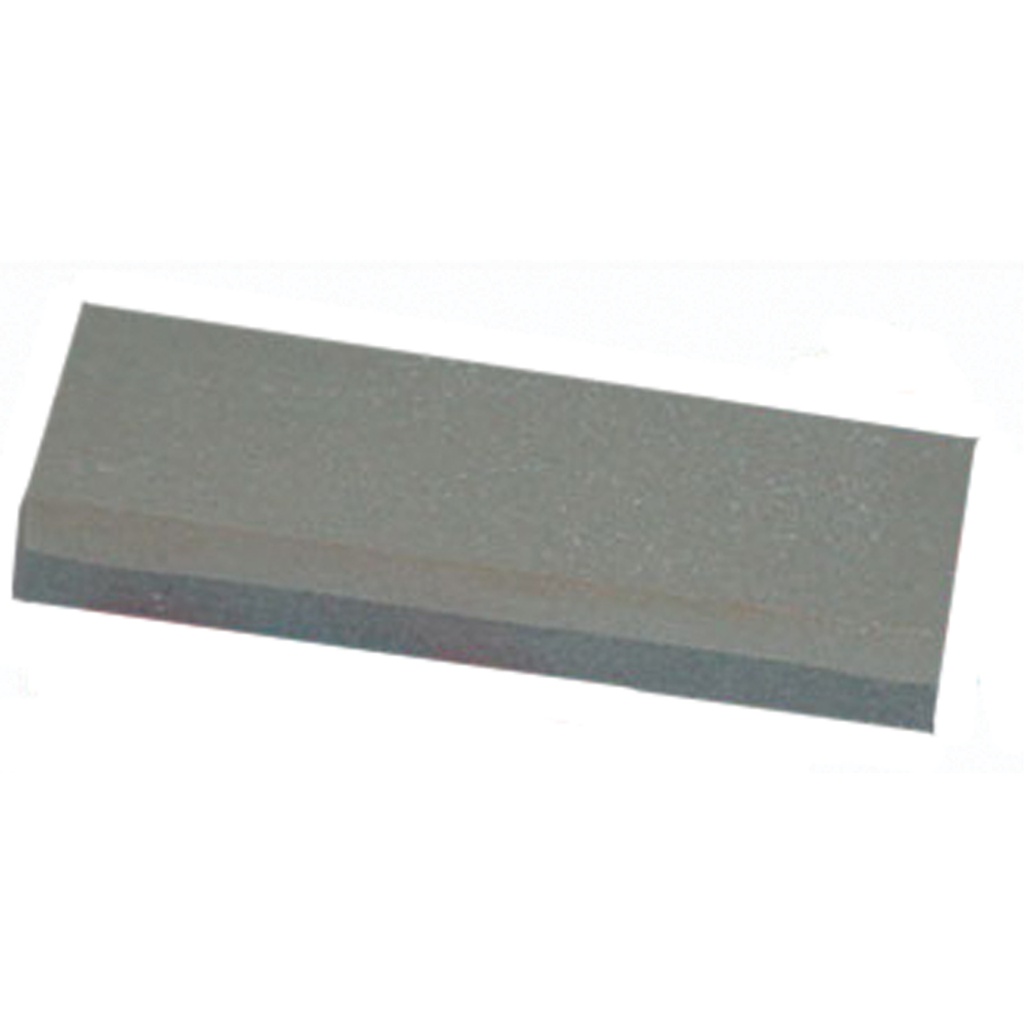
Out on a caliche backroad or at a shop bench, this dual-grit sharpening stone keeps your blades honest. The darker coarse face bites first, bringing a tired edge back to life. Flip to the lighter fine side to finish clean. Runs with water or a touch of oil, rides easy in a truck box or tackle bag, and turns dull steel into a tool you trust again.
Backroad Edges Kept Honest
Some days it’s mesquite trimming along a fence line outside San Angelo. Other days it’s breaking down boxes in a Houston warehouse or cleaning a whitetail in the Hill Country. The knife changes, but the need doesn’t: you either keep an edge, or the work gets harder than it needs to be. This dual grit sharpening stone is the quiet piece of gear that lives in the truck, on the bench, or at the camp table and just keeps steel in line.
Nothing flashy, nothing to explain. Two-tone gray tells you what to do at a glance. Dark face for repair. Light face for finish. You don’t think about it; you just reach for it the way a Texan reaches for a pocketknife before stepping out the door.
Why This Stone Belongs in a Texas Knife Kit
Around here, a blade sees more than kitchen duty. It shoulders caliche dust, coastal humidity, stockyard grime, and thick nylon feed bags. Factory edges don’t last through that, no matter how hard the marketing leans on steel names. What matters is how easily you can bring that edge back when you’re tired, rushed, or working by lantern light at deer camp.
This dual grit sharpening stone is built for that rhythm. The coarse side has enough bite to reset a rolled edge after you’ve cut through sand-caked rope or hacked at cedar. You feel it grab, hear that dull scrape, and know it’s moving metal instead of just polishing problems. Flip to the fine face and the sound softens, the drag smooths out, and you get that clean, steady draw that ends in a shaving edge if you’re patient.
It runs with water from a canteen as easily as a few drops of light oil in the shop. On a tailgate outside Abilene or a garage bench in Lubbock, the process stays the same: set your angle, draw, repeat. No gadgets to fail, no batteries to remember, no complicated rigs that don’t belong in a truck door pocket.
Sharpening Stone Dependability for Texas Work and Carry
Knives in this state don’t live easy lives. A ranch hand’s fixed blade that’s seen years of hide, bone, and bailing twine. A Corpus Christi fisherman’s fillet knife riding in a damp tackle box. An electrician’s work knife cutting jacketed cable all week around Dallas. They all end up on the same truth: dull steel is dangerous steel.
This rectangular block is sized for real knives, not toy blades. Long enough for a full hunting knife stroke, wide enough that a broad kitchen chef’s knife doesn’t feel cramped. The square edges and flat faces mean you can also touch up chisels, mower blades, and whatever else the week has chewed up. The matte texture gives immediate feedback under the blade – you know if you’re flat, rocking, or lifting by the feel alone.
Because there’s no handle, hinge, or moving part to break, it shrugs off the kind of heat a metal truck box builds in August between Waco and Temple. Toss it in with tie-downs and work gloves; the stone doesn’t care. The two-tone gray isn’t decoration. It’s a quick cue so you don’t polish on the fine side when you should be cutting on coarse.
Texas Knife Law, Sharp Edges, and Everyday Maintenance
Texas knife laws opened up in recent years. Automatic and OTF knives, once pushed to the margins, now ride legally in more pockets and consoles than ever, as long as you respect restricted locations and blade classifications. A sharper knife doesn’t change the law, but it does change how safely and efficiently you use what you’re allowed to carry.
This dual grit sharpening stone sits at the maintenance end of that reality. Whether your daily carry is a small folder that sails through Austin office life or a larger automatic that lives on a ranch outside Amarillo, the law may set the size and type, but you decide how well it cuts. A properly sharpened blade needs less force and fewer passes to get the same work done, which means better control and fewer slips.
Because a sharpening stone isn’t a weapon and doesn’t interact with blade length rules, it fits anywhere a toolbox, glove compartment, or range bag is welcome. Keeping your knife sharp is part of using it responsibly under Texas law — the blade does what it’s supposed to do with minimal drama. This stone just makes that easier to maintain, week after week.
Practical Texas Use Cases for a Dual Grit Stone
From Gulf Coast Boats to Panhandle Barns
On the Gulf Coast, salt air eats at everything. That includes your fillet knife edge. A quick rinse, a few passes on the coarse side to push past rolled spots, then light finishing strokes on the fine face will keep a thin blade sliding through redfish instead of tearing. Out in the Panhandle, where dust rides every gust, you might reach for the same stone after cutting poly feed sacks and frayed nylon rope. Different worlds, same process.
At a Hill Country lease, it’ll end up on a plywood table under a lantern while someone quietly restores an edge for the next morning’s quartering. In a suburban garage near Katy, it’ll live on a shelf next to a vise and oil can, bringing kitchen knives and work folders back from abuse every Sunday evening before the week starts over.
Bench, Tailgate, or Truck Console
Some tools never find a permanent home. They migrate to wherever the work is. This sharpening stone rides just as easily in a center console next to registration papers as it does on a pegboard over a vise. Its flat, compact profile means it’ll tuck into an ATV storage bin, a tackle bag heading to Falcon Lake, or a tool roll in the back of a welding rig outside Midland.
When someone asks how you keep your blades that sharp, you won’t point to an app or a contraption. You’ll just nod toward a simple block of two-tone gray they’ve probably overlooked a dozen times.
Questions Texas Buyers Ask About Dual Grit Sharpening Stones
Are OTF knives legal to carry in Texas?
Under current Texas law, automatic knives, including OTF designs, are legal for most adults to own and carry in many everyday situations. The state removed the general ban on switchblades, but there are still restrictions on location and, for certain large blades, on how they’re classified. You can legally sharpen an OTF or any other knife on this stone at home, at camp, or in the shop. Always check the latest Texas statutes and any local rules, especially if you’re carrying into schools, courthouses, or other sensitive places.
Will this stone handle both my kitchen knives and my ranch blades?
Yes. The coarse side is ready for thick-spined ranch and hunting knives that see rope, hide, and wood. The fine side will clean up and refine thinner kitchen edges, from chef’s knives to boning knives. In a San Antonio apartment or out past Kerrville, one stone can handle the house set and the field knives if you’re willing to take your time and keep your angle steady.
How often should I sharpen my knife in Texas conditions?
That depends on how you use it. A warehouse worker in Dallas cutting cardboard all day may touch up on the fine side every evening and hit the coarse side once a week. A weekend hunter might only need a full coarse-and-fine session after each trip. If you feel yourself pushing harder or the cut starts to wander, that’s your cue. In this climate — heat, dust, humidity, and grit — shorter, regular sessions on this dual grit sharpening stone beat waiting until the blade is truly dull.
First Use: A Familiar Texas Evening
Picture a warm evening outside Llano. The day’s work is done. You’re on the tailgate with a pocketknife that’s seen fence wire, feed sacks, and more rope than you care to count. You pull this two-tone gray stone from the truck box, drip a little water from a bottle, and set steel to coarse grit. The scrape is rough at first, then evens out. A few minutes later you flip to the fine side, letting the blade glide, slower now. When you’re finished, the edge bites into a scrap of paper like it ought to. You slide the stone back beside a pair of gloves and a coil of baling wire. No fanfare. Just another Texas tool doing its job so the next day goes a little smoother.