

Courthouse Control Professional Leg Cuffs - Nickel Plated Steel
4 sold in last 24 hours
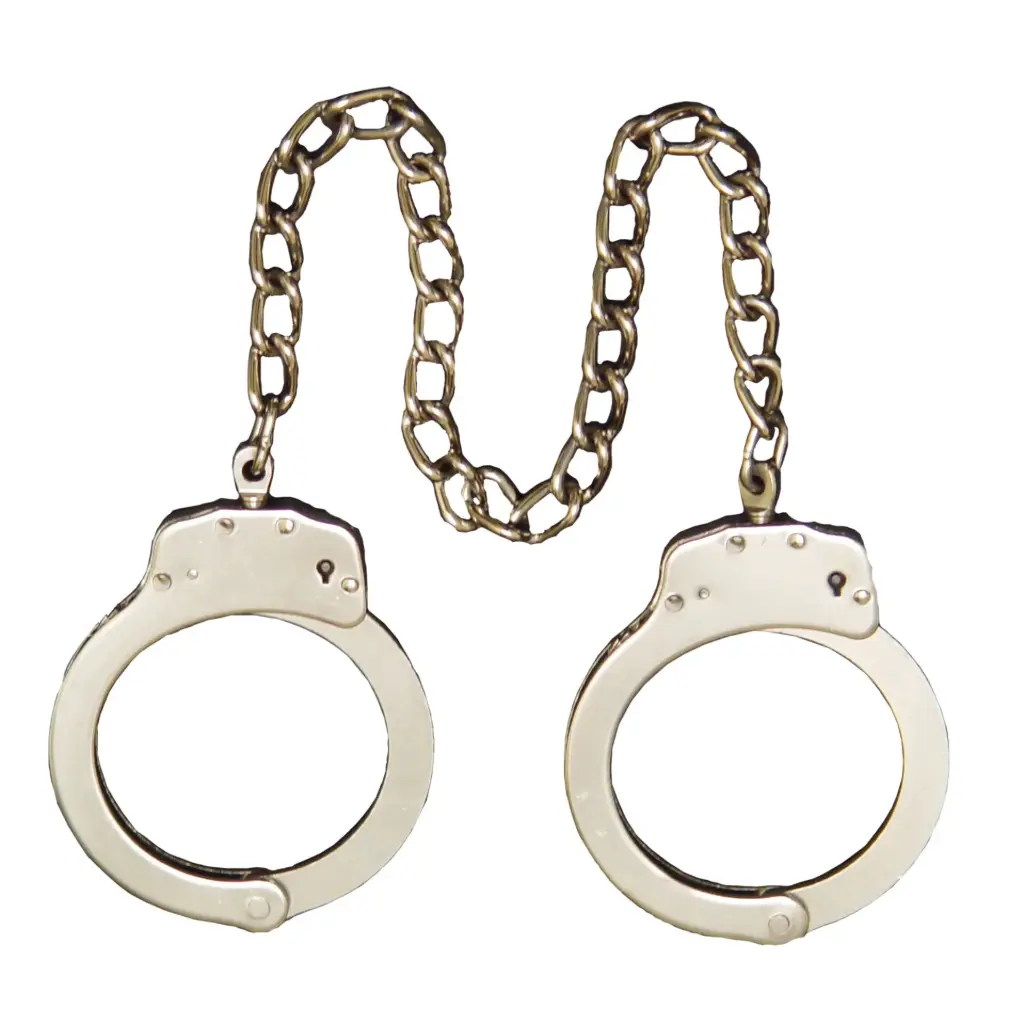
Out on a dusty county road or behind the courthouse, control matters. These professional leg cuffs use nickel-plated steel and an 18-inch chain to keep movement limited but workable for Texas transport work. Swing-through jaws lock down clean, with a standard keyway officers already know. Built for deputies, jailers, and private security who need restraints that feel familiar, reliable, and ready for another long shift.
Leg Restraints Built for Texas Custody Work
On a hot afternoon behind a red-brick courthouse, a deputy walks a prisoner from the holding cell to a waiting transport van. Hands are already cuffed. What keeps the shuffle controlled is what’s on his ankles. These professional leg cuffs are made for that stretch of concrete, that short walk between steel door and steel cage, where control has to be quiet and unquestioned.
Nickel-plated steel gives these cuffs a hard, bright finish that shrugs off sweat, dust, and the kind of knocks that come with years of county work. The 18-inch chain between them is long enough for a measured step, short enough to keep a runner from getting far on Texas gravel. This is restraint gear, not decor. It belongs in the back hallway of a Hill Country courthouse, in a jail intake room in Lubbock, or in the storage drawer of a private transport company running long miles between units.
Why Professional Leg Cuffs Matter More Than Any Texas OTF Knife
Plenty of Texans search for an OTF knife Texas officers trust, but inside a jail, knife talk takes a back seat to restraints that actually keep people where they should be. These leg cuffs work alongside duty gear, not against it. They ride in the same chain bag that might also carry a Texas OTF knife for cutting seatbelts or flex-cuffs, but when a transport goes sideways, it’s the cuffs on an inmate’s ankles that decide how much room you have to work.
The swing-through jaws close smooth and sure, with an adjustable locking mechanism that clicks down with the same sound officers have heard on standard handcuffs for years. No gimmicks. No learning curve. Just a professional restraint that behaves the same on a polished courthouse floor in Dallas as it does on rough caliche behind a rural sheriff’s office.
Chain Length, Movement, and Real Texas Transport Scenarios
In Texas, distances are long. Moving an inmate can mean a five-minute walk across a county complex or a three-hour ride between units. That’s where the 18-inch chain shows its worth. It gives a prisoner enough stride to climb into a van, navigate bus stairs, or shuffle across a sally port without stumbling every other step, but it still shortens the stride to keep any sudden run in check.
On a rain-slick parking lot in East Texas or a sun-baked loading bay in El Paso, officers don’t have time for tangled chains or flimsy links. These cuffs use large oval steel links that won’t snag easily on boot heels or grates. The nickel plating resists rust from sweat, humidity, and the occasional rinse with a hose behind the jail. In a state where gear lives in the back of trucks, in metal lockers, and in non-air-conditioned outbuildings, that matters.
Texas Use Case: From Holding Cell to Van
Picture the process: inmate steps out of a holding cell in county-issue slip-ons, hands already secured. The deputy drops to a knee, applies these leg cuffs around the ankles, and stands back up without fighting the mechanism. Chain runs clean along the floor, no twists, no sharp spots. The walk to the van is controlled, steady, and uneventful—the way every transport should be.
Texas Use Case: Private Transport on the Highway
Private security teams running prisoners across long stretches of Highway 80 or I-35 rely on gear that doesn’t fail at the wrong mile marker. These leg restraints pair with standard handcuffs and belly chains, building a layered custody setup that keeps everyone in the vehicle predictable, even when the road or the weather isn’t.
Texas Law, Restraints, and Where OTF Knives Fit In
Texas knife laws have shifted over the years. Where people once asked, “Are OTF knives legal in Texas?” the answer now is clear: automatic knives and switchblades are legal to own and carry for most adults, with certain location-sensitive blade restrictions. A Texas OTF knife might ride on an officer’s vest or in a duty bag as a cutting tool, but restraints are governed by a different kind of rule—the policies of departments, agencies, and companies that can’t afford a mistake.
These leg cuffs fit smoothly into that regulated world. They use a standard keyway compatible with typical law enforcement keys, so there’s no fumbling on a dark shift or during a transfer when time is tight. The nickel-plated steel gives supervisors confidence that the cuffs will hold up through repeated use and regular inspections, from small-town departments to larger metropolitan jails.
Are OTF Knives Legal to Carry in Texas?
Yes. Under current Texas law, automatic knives and OTF knives are legal to own and carry for most adults. The main concern today is blade length and restricted locations like certain schools or secure government buildings. That means a deputy or guard can carry an OTF knife Texas-style for cutting rope, tape, or restraints when needed, while still relying on leg cuffs like these for primary inmate control.
How These Leg Cuffs Work With Other Texas Duty Gear
On a full duty belt—radio, sidearm, magazines, flashlight, maybe a Texas OTF knife in a pocket clip—there’s not much room left. So leg restraints usually live in a bag, bin, or transport case. The smooth nickel finish makes them easy to grab and deploy without snagging on fabric or webbing. A deputy can move from van to holding cell, apply these leg cuffs in seconds, and re-holster their tools knowing the inmate’s stride is controlled.
Questions Texas Buyers Ask About OTF Knife Texas Gear and Restraints
Are OTF knives legal to carry in Texas?
They are. Texas removed old bans on switchblades and automatic knives, so an OTF knife is now legal to carry for most adults. The main things to watch are blade length classifications and where you carry—certain government locations and schools have tighter restrictions. For officers and licensed security, an OTF knife often serves as a fast-access cutting tool, not a restraint device.
Can these leg cuffs replace handcuffs for Texas transport?
No. They’re designed to work alongside standard handcuffs, not instead of them. In Texas custody work, hands are usually secured first with regular cuffs. These professional leg cuffs go on ankles for added control during walks, van rides, and unit transfers. Together they reduce risk during movement on everything from courthouse steps to long concrete corridors.
How do I choose between restraints and an OTF knife for my Texas duty setup?
They solve different problems. An OTF knife Texas officers favor is for cutting—seatbelts, tape, flex-cuffs, clothing in an emergency. Leg cuffs are for controlling movement over distance. If you’re running transports, working jail detail, or handling courthouse in-and-outs, you start with restraints like these. Then you add a knife as a support tool, not a substitute.
Guardian Control on Texas Concrete
End of shift, the sun’s dropping behind a low county building. The transport van door closes with a hollow thud. Inside, an inmate settles onto the bench, ankles linked by that 18-inch nickel-plated chain. You step back, check the locks once, and feel the quiet certainty of solid gear doing its job. In a state where roads are long, tempers can run hot, and every transport carries its own risk, these professional leg cuffs bring one simple thing to Texas ground: controlled movement, on your terms.