Dojo Shadow Control Training Nunchucks - Black Hardwood
11 sold in last 24 hours
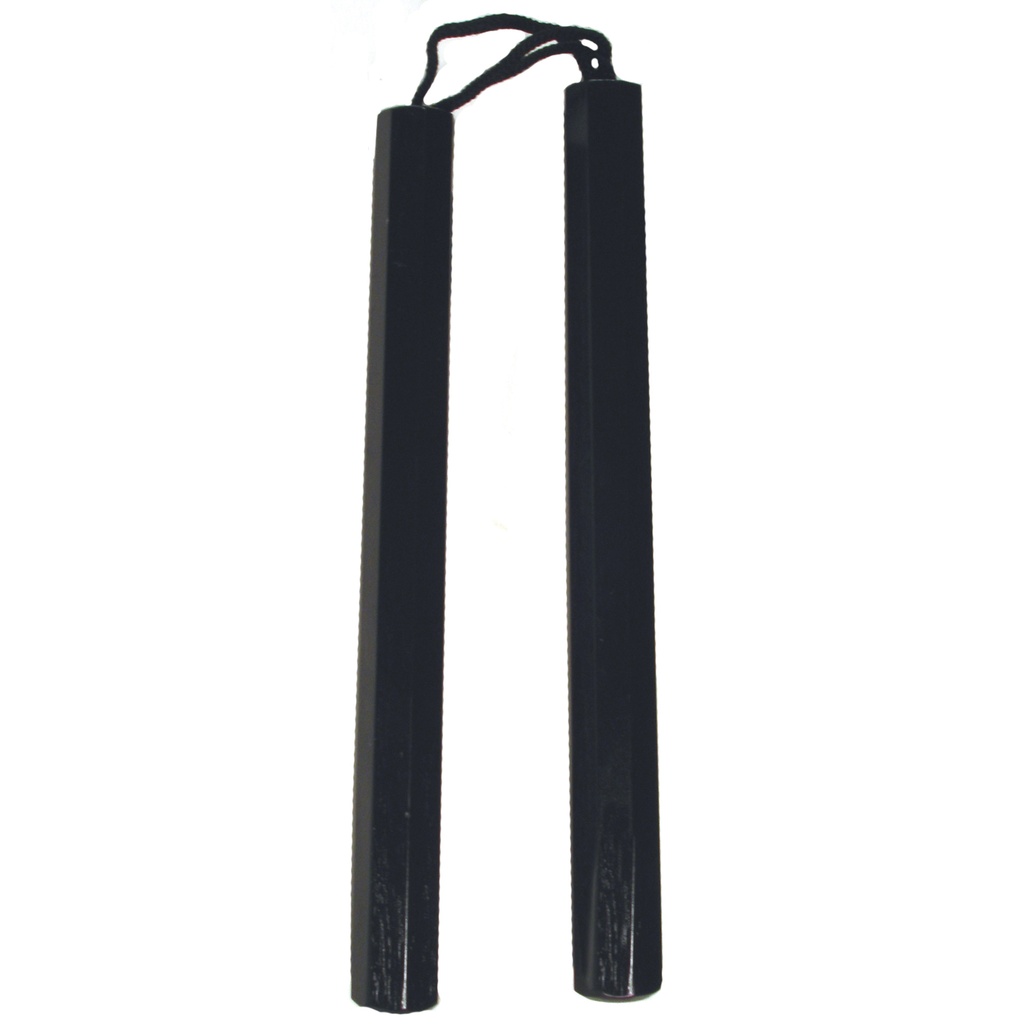
Late night in a Dallas strip-center dojo, the AC hums and the mats are yours. These black hardwood training nunchucks move quiet on the rope, octagonal grips biting just enough so sweat doesn’t steal your control. Built for forms, timing, and repetition, they let you feel every snap without the clang. For Texas students who still believe in basics done right.
Black Hardwood Nunchucks Built for Real Dojo Work
Lights buzz over worn mats in a San Antonio strip-center dojo. Class is over, doors are locked, and it’s just you, the mirrors, and a pair of black hardwood nunchucks that don’t need an audience. Rope connector. Octagonal grips. No shine, no logos—just a tool that lets you drill the same motion until it’s in your bones.
The Dojo Shadow Control Training Nunchucks - Black Hardwood are built for that kind of work. Long evenings in a gi, bare feet on mat or concrete, running forms until the rest of the city turns in. They’re quiet, controlled, and traditional—meant for students and instructors who take practice seriously, whether the dojo’s in Austin, Lubbock, or the back room of a small-town gym off Highway 90.
Why These Training Nunchucks Make Sense in Texas Dojos
Across Texas, most real training still happens in small spaces: a converted warehouse in Odessa, a rec center in Waco, a church multi-purpose room in Nacogdoches. Noise carries, walls are thin, and you don’t need a set of clanging metal or chained novelty weapons drawing attention you didn’t ask for.
These wooden nunchucks stay quiet by design. The rope connector moves clean and soft, so every spin and chamber feels deliberate instead of noisy. That’s a practical advantage when you’re working late in a Houston dojo that shares a wall with apartments, or you’re running a kids’ class in Fort Worth and don’t want metal-on-metal echoing through the whole building.
The octagonal profile matters in Texas heat too. When you’re working forms in a non-air-conditioned space in August, sweat shows up quick. Those flat edges bite just enough into the hand so the chucks don’t roll or twist away when your grip gets slick. It’s the difference between a clean, repeatable pattern and chasing a dropped weapon across the mats.
Texas Training Reality: Control Over Flash
A lot of so-called "demo" weapons are built to look good under stage lights in Dallas tournaments or on a social clip, not to survive months of nightly practice in a Corpus Christi dojo. These black hardwood training nunchucks lean the other way. The finish is clean but not flashy. The rope is short and functional. The balance is set up for repetition, not tricks built for applause.
That matters when you’re running through basic strikes and blocks a few hundred times in a row. The hardwood gives clear feedback in the hand—solid, predictable, with just enough weight that lazy technique starts to hurt. You feel when your chamber is off. You feel when your timing’s late. That’s the kind of feedback that turns a beginner from just swinging into someone who knows exactly where the weapon is in space.
Texas instructors depend on that. Whether you’re teaching a handful of teenagers in a Rio Grande Valley community center or a packed adult class in north Austin, you need training weapons that can be tossed in a gear bin, pulled out five nights a week, and still feel familiar every time. These nunchucks are built for that grind: same grip, same swing, night after night.
Legal Reality: Where Training Nunchucks Fit in Texas
Texas weapons laws have loosened over the last decade, but any serious martial artist still pays attention. While knives and OTFs get most of the legal questions, impact and traditional martial arts weapons—like nunchucks—still raise eyebrows with landlords, gym owners, and the occasional officer who doesn’t know the current code line by line.
These are training nunchucks, hardwood with a rope connector, made for controlled work in a dojo or at home. That’s where they belong. In Texas, common-sense handling goes a long way: keep them in your gear bag going to and from class, don’t swing them in parking lots, and don’t treat them like a toy at the park. In a dedicated training space—Houston suburb strip dojo, Amarillo wrestling room, converted garage in New Braunfels—they’re right at home.
Texas Dojo Use and Respect
Most Texas instructors will tell you the same thing: respect the space and the neighbors. Quiet hardwood nunchucks with a rope link let you work late without rattling the walls or setting off complaints. You get real impact, real feedback, none of the circus sound. That’s why so many dojos from El Paso to Tyler still keep a bundle of wooden trainers hanging on the wall.
From Garage Practice to Tournament Prep
Plenty of Texas students don’t stop training when they leave the dojo. A concrete-floored garage in Katy, a back patio in Abilene, a dorm room in College Station—those sessions still count. A black hardwood pair like this travels easy in a duffel, takes abuse, and doesn’t draw extra eyes if it’s sitting in the back of a pickup with the rest of your gear.
Quiet Discipline: How These Nunchucks Actually Feel
Pick them up in a cooled-down San Marcos studio after sundown. The black hardwood feels smooth but not slick. That octagonal shape lays into the fingers, letting you index your grip without looking. You start slow: simple swings, hip chambers, controlled catches. The rope connector moves with a muted thump instead of a rattle. Every motion is yours, not the weapon’s.
The uniform thickness from top to bottom keeps the swing consistent. There’s no odd bulge or taper to fight. You don’t have to think about them, which is the point. The weapon disappears into the technique. Whether you’re prepping for a belt test in Laredo or just trying to clean up a sloppy form you’ve been dragging around since last year, these nunchucks give you a stable, predictable feel so all your attention can go to stance, breath, and timing.
For instructors, that predictability matters double. When the same hardwood and rope setup greets your students week after week, corrections stick. "Chamber higher." "Control the recoil." "Don’t let the weapon drag you." With a consistent training tool, those cues start to land.
Questions Texas Buyers Ask About Training Nunchucks
Are OTF knives legal to carry in Texas?
They are. Texas removed its switchblade ban in 2017, so OTF and other automatic knives are legal to own and carry, with one main limit: blade length and location. Most Texas cities follow state law, which means you can carry an automatic knife with a blade over 5.5 inches only in certain places—it’s off-limits in schools, polling places, some government buildings, and a few other restricted locations. Shorter blades have more freedom. Always match your knife and where you carry it to current state and local code.
Can I keep these training nunchucks in my Texas gym bag or truck?
Yes, that’s where most Texans keep them—heading to and from class in a gym bag, duffel, or gear tote, or riding in the back seat or cab with other training equipment. Treat them like you would a bat or heavy stick: stored, not swung, until you’re in a proper training space. In a dojo, garage gym, or backyard setup, they’re right at home as long as you’re using them for practice and not showboating in public.
Should I start my Texas students on foam or hardwood nunchucks?
For absolute beginners and younger kids, most Texas instructors start with foam to avoid chipped teeth and bruised knuckles. Once a student can show basic control—consistent chambers, safe catches, and awareness of their surroundings—hardwood trainers like these black octagonal nunchucks are the next step. They give real feedback, demand focus, and hold up to nightly classes in a Dallas or Midland dojo without falling apart.
End of the night, the parking lot’s mostly empty outside your Arlington dojo. Inside, it’s just you, the echo of your breath, and these black hardwood nunchucks moving clean through the same pattern you’ve thrown a thousand times. No rattle, no flash—just quiet, repeatable control. That’s how Texans train: simple tools, honest work, and discipline that doesn’t need to be announced.