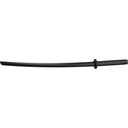
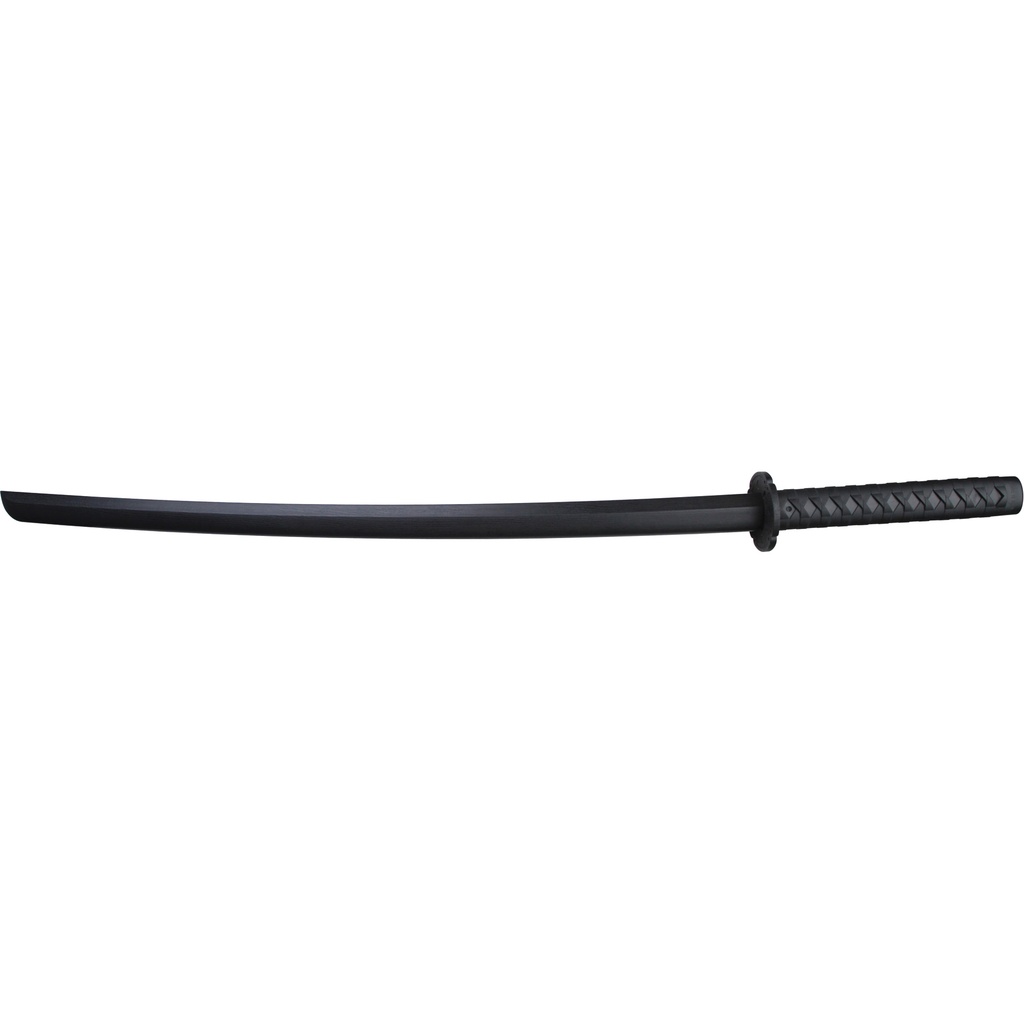
Dojo-True Full-Contact Practice Katana - Black Polypropylene
5 sold in last 24 hours
Summer night in a Houston strip-center dojo. AC fighting the heat, bare feet on worn mats. This training katana settles into your grip like it belongs there. At 39.25 inches, the balance tracks like a real blade, but the polypropylene spine takes the impact—kata, partner work, or full-contact conditioning. No splinters, no burrs, no guesswork. Just clean reps and a tool that shrugs off another hard class on the floor.
Dojo-True Practice Katana Built for Real Work
Late class in a Plano strip-mall dojo. Parking lot still hot from the day, AC humming, bags lined against the wall. When it’s time for contact drills, the steel blades go away and the black trainers come out. This full-contact practice katana is the one that keeps getting picked up first.
At 39.25 inches, it carries the proportions of a real katana, so your grip, stance, and cuts track the way they should. The weight and curve teach your body the same path you’d take with live steel, but the impact is controlled, predictable, and safe enough for hard Texas dojo work night after night.
Why This Trainer Feels Right in a Texas Dojo
Instructors from Austin to Arlington know the problem with cheap trainers: they chip, splinter, and wobble after a few months of contact. This practice katana is molded from heavy-grade, lead- and phthalate-free polymer that doesn’t flake under pressure. Blade, guard, and handle are a single piece of polypropylene, so there’s nothing to loosen, crack, or rattle when classes get serious.
The matte black finish cuts glare under bright fluorescent lights or out on a concrete pad behind the gym. A round guard keeps your lead hand honest without digging into your fingers, and the blunt tip lets students work close-in drills and disarms with confidence. It’s built for Texas-sized class sizes and long curriculum cycles where gear gets used, not babied.
Texas OTF Knife Buyers Still Train with Blades Like This
The same students asking where to buy OTF knife Texas after class are the ones who start here. They grip this practice sword, learn line, distance, and control long before they graduate to a Texas OTF knife or live steel. The tool is different, but the discipline is the same: clean draw, clear line, controlled stop.
If you’re the kind of buyer who studies Texas carry laws before you pick up an automatic, you’re the kind of buyer who respects training tools too. This polypropylene katana turns repetition into instinct, so when you do step up to a real edge—whether that’s an OTF knife Texas ranch hands trust in a truck console or a sharpened sword for cutting—you’re not guessing. You’ve already put in the work on something that can take the hits.
Built for Kata, Partner Drills, and Full-Contact Conditioning
Walk into any serious school in San Antonio or Lubbock and you’ll see three kinds of sword work: solo forms, paired drills, and impact conditioning. This trainer handles all three without demanding special care.
Kata Reps that Translate to Steel
The long, gentle curve lets you run traditional cuts without fighting the balance. There’s no foam to wobble, no hollow core to flex. The one-piece polymer spine stays true from tsuba to tip, so your muscle memory builds around a consistent line. Footwork down the mat, slow forms in a darkened gym, or early-morning solo work in a quiet garage—the motion feels honest.
Partner and Contact Work Without the Splinters
Partner drills are where bad trainers fail first. This practice katana is thick enough along the blade to take edge-on-edge contact without rolling or chewing up the surface. No splinters like wood, no sharp plastic edges like cheap imports. Students in Houston, Fort Worth, or small-town dojos in between can run high-rep drills, disarms, and controlled impact without stopping to tape up a cracked practice sword every few weeks.
Texas Knife Culture, Training Floor First
Texas has room for plenty of steel—automatic knives, OTFs, big folders, ranch fixed blades. But the people who carry them well usually started under fluorescent lights on worn mats, working with tools just like this. A Texas OTF knife may ride in your pocket later; this is what lives in the dojo rack now.
The textured, crisscross-pattern grip mimics a wrapped handle, locking into your hand even when the AC can’t keep up and sweat starts to drip. Black-on-black from blade to pommel keeps the look quiet and professional—no cosplay shine, no costume fittings. It’s the difference between a wall-hanger and a tool that earns its keep alongside focus mitts and heavy bags.
Questions Texas Buyers Ask About OTF Knife Texas Gear and Training
Are OTF knives legal to carry in Texas?
Yes. Under current Texas law, OTF knives and other switchblades are legal to own and carry. What matters is the blade length and location. A blade over 5.5 inches is considered a “location-restricted” knife, which means you can’t carry it into certain places like schools, polling locations, or secure government buildings. Most pocket-ready Texas OTF knife options stay under that 5.5-inch mark, which makes everyday carry much simpler. Always check for any local rules or posted signs, but the old statewide ban on switchblades is gone.
Does a polypropylene training katana really help my knife work?
It does if you treat it as more than a toy. Texas instructors who allow OTF and folder carry off the mat usually insist on discipline on the mat first. This trainer teaches posture, grip strength, and clean lines. The focus you build here carries straight over to drawing and indexing a blade from your pocket, glove box, or duty belt. Different tools, same body mechanics and control.
Should I invest in a trainer before buying a Texas OTF knife?
If you’re serious about blades, yes. A solid trainer like this katana costs less than a tank of gas and takes more abuse than most of your steel. It lets you work timing, distance, and pressure without worrying about edge damage or stitches. When you do decide to buy an OTF knife Texas dealers respect, you’ll handle it like someone who already understands what a blade can do.
From Dojo Floor to Daily Carry in Texas
Picture a Friday night class in a north Dallas gym. Last round of drills, sweat on the mats, students lined up with black trainers in hand. This practice katana has already bounced through partner work, taken the thud of full-contact conditioning, and stayed straight and solid. When you slide it back into the rack, your forearms are tight, your cuts are cleaner, and your respect for the blade—any blade—is sharper.
Next week you might be comparing specs on the best OTF knife in Texas, thinking about how it’ll ride in your pocket or truck. But the judgment you bring to that choice—the way you think about balance, control, and responsibility—starts here, with a simple black polypropylene sword that does one thing well: lets you train hard, often, and safely, in a state where blades are part of the landscape.