Dust Line Tactical Throwing Axe - Earth-Tone Grip
8 sold in last 24 hours
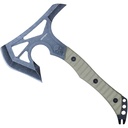
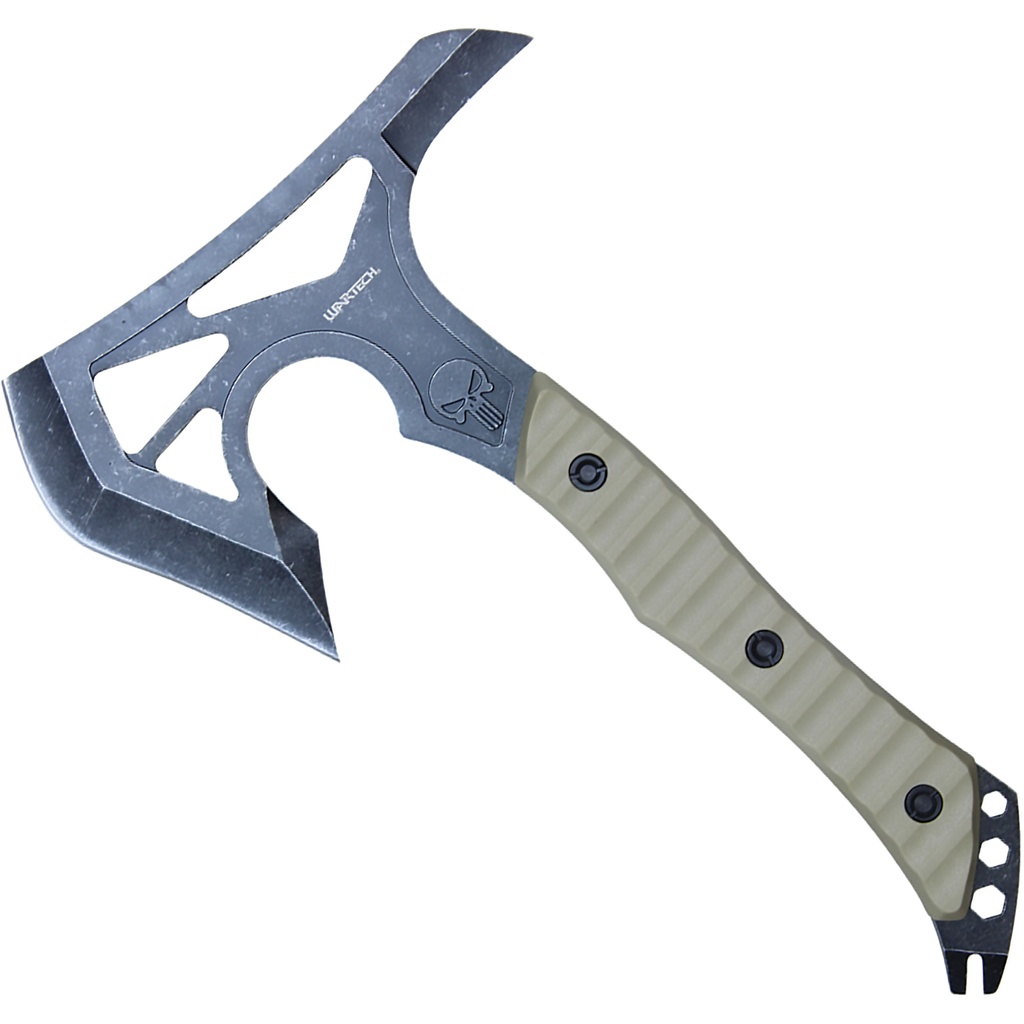
Late light, plywood target leaned against the fence, dust hanging over a hard‑packed yard. This balanced throwing axe feels right the first time it leaves your hand. The stonewashed head tracks clean, the earth‑tone grip locks in, and the nylon sheath keeps it ready in the truck or by the back door. For Hill Country league nights or quick throws behind the shop, it holds rotation and takes the hits.
Balanced Steel for Texas Backyards and Throwing Lanes
End of the workday, air still warm off the driveway, plywood target screwed into a mesquite post. You step back to that worn patch in the grass. The Dust Line Tactical Throwing Axe sits light in your hand, stonewashed head forward, earth‑tone grip filling your palm. One easy draw, one clean arc, and it bites deep. That’s how a throwing axe ought to work here.
This is a purpose‑built throwing axe, not a camp splitter pressed into a job it wasn’t meant for. The skeletonized head pulls weight out of the steel so the rotation stays honest. The full‑tang construction runs straight through to the forked pommel, so when it lands, all the force tracks down one line instead of flexing or twisting. It feels predictable from the first throw, whether you’re in a backyard in New Braunfels or under lights at an indoor range off 290.
Why This Throwing Axe Belongs in Texas Training
Texas has the space for it—deep lots, pasture edges, alley‑side backyards behind old brick houses. A balanced throwing axe like this turns any scrap of plywood into a target. The wide bearded head puts most of the steel where it matters: at the edge and the point of the beard. That means even on a lazy rotation, you’ve got more bite zone to work with.
The stonewashed finish shrugs off the abuse that comes with real practice: missed throws into gravel, glancing blows off knots, that one target stand that falls over and drags the axe with it. It hides scars instead of flashing them. The earth‑tone, textured scales stay put when your hands are slick from sweat in August heat or gone cold during a December front that blows dust across the lot.
For anyone running a throwing lane in a Houston warehouse or a small setup behind a Hill Country bar, this axe reads right at first glance—modern, tough, made to be used hard and handed to the next person in line.
Texas Carry Culture Meets a Purpose-Built Thrower
Most days in this state, your serious steel rides in a truck console, range bag, or behind a shop door, not on your belt. This throwing axe fits that reality. It lives in its nylon sheath until the work is done, then comes out when someone says, “Set the target.” The sheath keeps the edge covered in a gear bin under a quad seat or in the bed box of an F‑150 bouncing down a caliche road.
The forked steel pommel at the end isn’t just for looks. Around a barn or equipment yard outside Lubbock, it works as a light pry or impact point when you need to lift a staple, shift a board, or snag a hung‑up target. But its real job is balance—pulling a touch of weight back so the throw feels centered, not nose‑heavy.
Grip matters when you’re throwing in real Texas air—humid on the Gulf, bone‑dry out toward Midland. The ribbed, earth‑tone handle keeps your fingers indexed without chewing up your hand after a long round. You’re not fighting the tool, you’re learning the arc.
Legal Reality: Where a Throwing Axe Fits Under Texas Law
Texas knife laws have opened up over the years. Switchblades and OTF knives that used to sit in a gray area are now legal statewide, with blade length and location rules doing most of the work. A throwing axe like this sits outside typical pocket carry talk. It’s a tool and a sporting implement first, but that doesn’t mean you ignore the rules.
Understanding Texas Weapon Definitions and Spaces
State law separates what you own from where you bring it. At home, on your land, or at a private range, setting up a throwing lane with this axe is straightforward. It’s your property, your target, your responsibility to run it safe. Things change when you start moving it through town—into schools, courthouses, certain events, and posted venues that restrict weapons by policy or statute. The nylon sheath lets you keep it cased and clearly part of your gear, not something you’re trying to pass off as casual carry.
Local events—county fairs, town festivals, indoor sports shows—may have their own posted rules about axes and similar tools. That’s where checking ahead matters. Just because Texas is friendly to blades and OTF knives now doesn’t mean every doorway is.
How Texans Really Use a Throwing Axe
This isn’t some mountain‑lodge novelty piece. Around San Antonio, Dallas, or Amarillo, you see throwing lanes built behind metal shops, at small ranges tacked onto gun clubs, or under string lights behind a feed store that started hosting league nights. In those places, a balanced throwing axe like this is just another part of the kit—right beside the tape measure, the Sharpie for scoring, and the plywood scraps stacked for new targets.
Out on acreage, it’s how you end a Saturday after fixing fence and clearing cedar. You walk off a few paces, pick your mark on a round of oak or a retired fence post, and let the day leak out throw by throw. The axe doesn’t care if the target is regulation or improvised; its rotation stays the same.
Questions Texas Buyers Ask About Throwing Axes
Are OTF knives legal to carry in Texas?
Yes. Texas removed the switchblade ban years ago, which means OTF knives—automatic out‑the‑front designs—are legal at the state level. Most of the law now turns on blade length and where you carry, not how the blade deploys. Certain locations and age limits still apply for larger blades. The same mindset carries over to this throwing axe: it’s legal to own and use as a sporting tool, but you still respect restricted places and posted policies.
Can I travel with this throwing axe to Texas ranges and events?
The nylon sheath makes it simple to move this throwing axe between home, truck, and range. Around Houston suburbs or out toward Abilene, most ranges and throwing venues are fine with personal axes as long as they’re cased coming in. Treat it like a long gun or a serious OTF knife—stored secure, transported straight to the place you plan to use it, and never waved around in a parking lot or crowded area.
Is this throwing axe better for backyard targets or league competition?
Both, if you’re disciplined. The balanced head and full‑tang build give you repeatable rotation that carries from a backyard setup in Katy to a formal league lane in Austin. Start chewing up a homemade plywood target behind the garage, then bring the same axe to a bracket night. The earth‑tone grip and stonewashed steel take the hits and keep throwing clean, instead of getting loose or flashy after a few hard weeks.
Built for That First Clean Stick on Texas Ground
Picture a late summer evening outside a corrugated‑metal shop, sun dropping behind a line of live oaks, the smell of cut lumber and hot dust in the air. Someone drags out a chewed‑up target, nails it to a post, and steps back. The Dust Line Tactical Throwing Axe comes out of its sheath, grip warm, steel cool, balance sitting right on your fingers.
You take that first throw. One turn, maybe a hair more, and it lands with a flat, honest thud that settles everyone into the same quiet. That’s the moment this axe is built for—on real Texas dirt, in real Texas hands, where practice matters more than talk and the steel either sticks or it doesn’t.