High Noon Shield Level III+ Ballistic Plate - Black Shooter’s Cut
5 sold in last 24 hours
Midday on a lease road or parked off a rural highway, this Level III+ ballistic plate is the quiet layer between you and a bad rifle day. The curved ceramic/PE build rides close, spreads the weight, and shrugs off sweat, rain, and diesel dust. Shooter’s cut corners keep your stock clear and your rifle up. It’s the armor Texans slide into plate carriers when patrol, property, or family fall inside their line of duty.
Ballistic Protection Built for Long Days Under a Texas Sky
Out past the last streetlight, when the only cover is a fenceline or a parked ranch truck, soft armor stops being enough. That’s where a Level III+ rifle-rated plate like this High Noon Shield Level III+ Ballistic Plate - Black Shooter’s Cut earns its place. Curved, ceramic-faced, and sealed tight, it’s made for the kind of heat, dust, and sweat that come standard on a Texas shift.
This isn’t display armor. It’s a hard plate you run in a carrier over a uniform, under a fishing shirt, or stowed behind the driver’s seat for when a routine knock on a gate stops feeling routine. The profile disappears against your chest, but the peace of mind doesn’t.
Level III+ Rifle Plate Confidence for Texas Roads and Ranches
Across the state, from sheriff’s units rolling two-lane blacktop to landowners checking remote gates, the rifle threat is real. This hard ballistic plate is rated at Level III+ with a Special Rifle Threat (SRT) design, built to defeat high-velocity rifle rounds from the most common long guns in circulation. The strike face is SiC ceramic, backed by UHMWPE to catch and spread the impact.
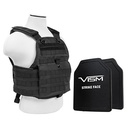
Slip one into the front pocket of a plate carrier, another in the back, and you’ve added true rifle-focused armor over your soft vest or straight against your shirt. The ceramic strike face takes the first hit; the PE backer handles the rest, reducing blunt trauma and keeping you in the fight long enough to move, return fire, or get out.
For Texas buyers used to balancing heat, mobility, and real-world threats, this Level III+ configuration hits the line between protection and practicality. It’s not overbuilt showpiece gear—it’s exactly what you wear when you know a rifle might come out fast.
How This Shooter’s Cut Plate Rides in a Texas Carrier
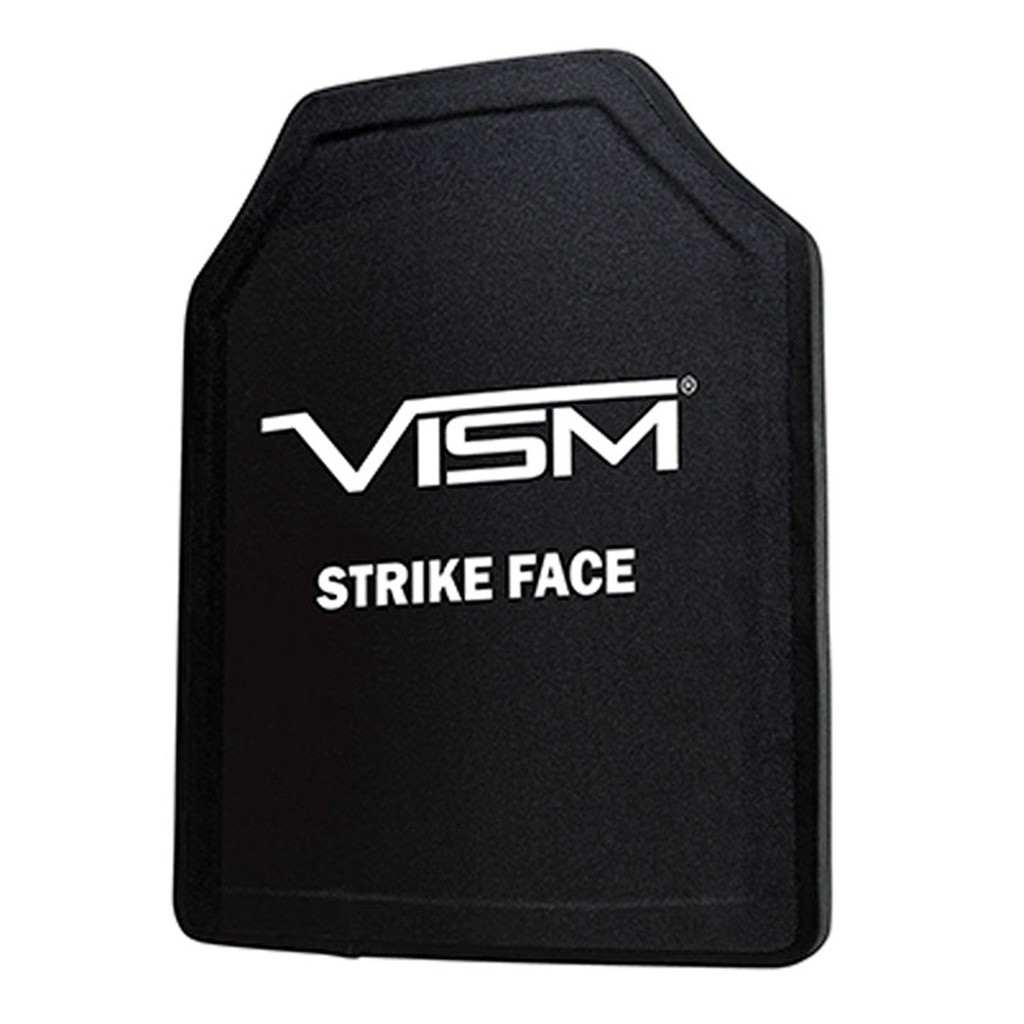
Armor you can’t stand to wear won’t help you on a call outside Laredo or a hog stand in the Hill Country. This 11 by 14 inch plate uses a shooter’s cut on the upper corners, opening space for rifle stocks and pistol presentation. You don’t feel the plate blocking your shoulders when you bring a carbine to your cheek or draw from your duty belt.
The plate is curved, not flat, so it follows the line of your chest instead of fighting it. Under a vest in August Amarillo heat or layered over a hoodie in a Panhandle cold front, the curve helps distribute weight and keeps the edges from digging when you’re in and out of vehicles all night.
Fully sealed edges keep the ceramic/PE composite protected from sweat, rainstorms, feed dust, and whatever else ends up in a patrol unit or ranch truck. You wipe it down, hang the carrier, and it’s ready for the next shift.
Running Rifle Drills Without Fighting Your Armor
On a private range outside San Antonio or a county training day, this shooter’s cut plate lets you mount your rifle the same way you do on a clean line—tight into the pocket, elbows up, no interference. The cut corners are there for that one reason: to get the armor out of the way of your stock while still covering your vitals.
Comfort on Long Texas Drives and Static Posts
If your job means hours in a Crown Vic, Tahoe, or side-by-side, that curve and size matter. The plate sits flat enough against your body that leaning back against a seat, or standing a long spell on a hot highway stop, doesn’t feel like you’re wearing a steel slab.
Texas Armor Use: Law, Liability, and Practical Reality
Texas law doesn’t treat body armor the way it does firearms. For most adults, owning and wearing a rifle-rated ballistic plate like this—at home, on private land, or on duty—is legal. Restrictions tend to land on convicted felons in specific circumstances and anyone using armor during the commission of a crime. For the peace officer, armed guard, ranch owner, or preparedness-minded homeowner, this plate is squarely in bounds.
Where Texas knife and firearm laws get picked apart over inches and mechanisms, armor lives in a different space. Departments may have their own policies about what’s authorized in uniform, and security companies may spell out armor requirements, but the state itself leaves responsible civilians and professionals wide room to protect themselves.
That’s why more Texans are sliding hard plates into carriers at the house, in the feed room, or behind the truck seat. When a call, a loose dog, or a truck of strangers on the back road doesn’t feel right, you shrug into the carrier, and this Level III+ plate quietly raises your margin for error.
Texas Scenarios Where Rifle Plates Make Sense
Think about serving papers alone on a stretch road outside Abilene, checking a remote water gap after recent trespass reports, or standing post at a refinery gate on the Gulf Coast. These are the kind of Texas details that make rifle armor more than a theory. When rifles are part of the landscape, rifle plates become part of the uniform.
Why This Ceramic/PE Plate Fits Texas Terrain and Climate
Heat is the first enemy of any gear in this state. The SiC ceramic and UHMWPE composite build on this plate answers that in two ways: lighter than steel and sealed from moisture. No rust, no swelling, no soggy carrier after a rainstorm or a long shift in coastal humidity.
The matte black finish doesn’t glare under sun or lights. The clearly marked STRIKE FACE label on the front simplifies fast donning in low light, in the back of a suburban, or in a dim barn. You don’t waste seconds wondering which side goes out.
In a VISM plate carrier, the fit is clean and predictable, but the 11 by 14 shooter’s cut format is also friendly to many other standard carriers. Front or back pocket, the same curved profile keeps you from feeling like you’re wearing a gear box strapped to your ribs.
Questions Texas Buyers Ask About Level III+ Rifle Plates
Are OTF knives legal to carry in Texas?
Switchblades and OTF knives are legal to own and carry in Texas for most adults, as long as you stay within the state’s broader "location-restricted knife" rules and avoid a few prohibited places like schools and certain government buildings. The bigger point for someone buying this rifle plate: Texas law gives you room both to carry serious blades and to wear body armor, provided you’re not using either to break the law.
Will this Level III+ plate work for rural Texas property defense?
Yes. If you’re walking fence lines, dealing with unknown vehicles at a gate, or checking out shots heard near your stock tanks, this Level III+ SRT plate gives you rifle-focused protection that pairs well with a truck gun and a sturdy carrier. It’s built for exactly those long, quiet approaches where you’d rather be overprepared than surprised.
How do I decide if I need a single plate or a full front-and-back setup?
Most Texas buyers start with a single front plate for quick response—easy to throw on when something feels off at the door or the gate. If your work or routine regularly puts your back toward potential threats, like static posts, crowded events, or high-risk warrants, adding a matching rear plate is smart. The right answer depends less on theory and more on where you actually stand and move in your day.
Stepping Out the Door with Rifle-Rated Confidence
Picture a late-afternoon call on a caliche road outside a small town. You park off the ditch, crack the door, and slide into a carrier with this curved Level III+ plate riding tight to your chest. The sun is low, the wind is up, and somewhere ahead is an unknown with a long gun in easy reach. You close the door, feel the weight settle, and walk up knowing you’ve given yourself one more layer between their decision and your last mistake. In this state, that kind of quiet insurance isn’t theory. It’s how professionals and prepared landowners stay around to see the next sunrise.