Highwater Signal Stormproof First Aid Kit - Red Dry Sack
8 sold in last 24 hours
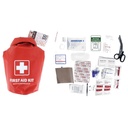
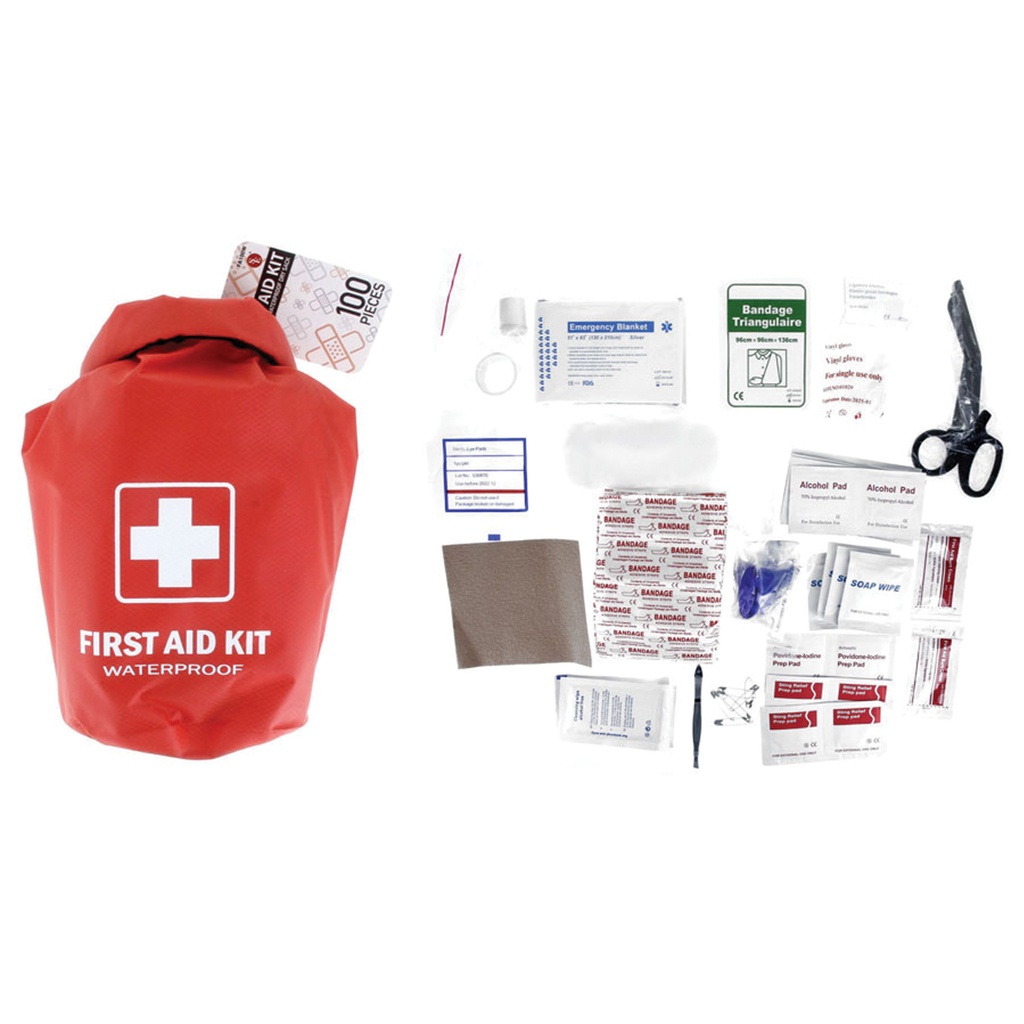
You’re three hours from a hospital, watching a Panhandle storm roll in. The Highwater Signal Stormproof First Aid Kit rides in its red dry sack, easy to grab from the truck bed or kayak hatch. A 100-piece spread — from tourniquet and EMT shears to CPR mask and blanket — stays sealed, organized, and dry. When things go sideways on wet rock, back roads, or the bay, this is the kit that turns confusion into clear steps.
When the Weather Turns Fast and Help Is Far
Out on a low-water crossing in Hill Country, the creek can go from ankle-deep to hood-high in one hard rain. Same story on a back road between Llano and Brady, or a bay flat as a mirror that turns whitecapped in ten minutes. In those moments, you don’t need a pretty box of bandages; you need a first aid kit that still works after riding in the wet and dust for months.
The Highwater Signal Stormproof First Aid Kit lives for that kind of Texas unpredictability. A bright red dry sack keeps one hundred pieces of real medical gear bone-dry — bandages, gauze, tourniquet, EMT scissors, tweezers, CPR mask, emergency blanket — all sealed up, all ready the second that quiet after an accident hits.
Why This Stormproof First Aid Kit Belongs in Every Texas Truck
In this state, the truck is the base camp. Center console, back seat, or toolbox, that’s where your real gear lives. This stormproof first aid kit is built to ride there year-round. The roll-top red dry sack shrugs off spilled coffee, caliche dust, and the kind of sideways rain you get along the I-35 corridor in April. Toss it under the rear seat, in a bed box, or beside your roadside tools — the contents stay clean, dry, and ready.
Inside, you don’t just find adhesive bandages and alcohol pads. You’ve got gauze and wrap to stop bleeding, a tourniquet when things get serious, EMT-style shears that cut denim and work shirts, tweezers for mesquite thorns, an emergency blanket for shock, and a CPR mask you pray you never need. Everything rides in organized compartments, so even on the shoulder of a farm-to-market road at night, you’re not digging through a mess of loose packets.
Built for Texas Water, Heat, and Hard Use
This isn’t a glovebox kit that falls apart the first time it gets wet. The dry sack is the same idea paddlers trust on the Guadalupe or Colorado — a roll-top closure you cinch down to seal out rain, spray, and splash. Leave it in a jon boat on a coastal marsh, a kayak on the Frio, or in the bed of a ranch side-by-side; the contents stay dry through summer storms and river dunkings.
Heat is its own problem here. Gear left all day in a West Texas parking lot or a South Texas lease blind takes a beating. The tough bag shields the supplies from dust and grit that ruin adhesive and wraps. The bright red color with a clear white cross is easy to spot in a cluttered truck bed, a dark hunting cabin, or under a seat full of tools and tie-downs. In low light, you don’t waste minutes hunting for it.
Texas Realities: Wrecks, Ranch Work, and Weekend Water
Most Texans won’t use this kit on a trail in the Rockies; they’ll crack it open on the side of Highway 183 after a fender-bender, in a barn after a horse spooks, or on a lake dock when someone slips on wet boards. The contents are chosen for those exact moments.
On a lease road in the Brush Country, a cut from barbed wire or a mesquite limb needs to be cleaned, wrapped, and watched. Here, you’ve got alcohol pads, povidone-iodine wipes, and gauze to handle it. On a weekend at Canyon Lake, that niece who trips over a rock and slices her knee doesn’t have to ride home bleeding; there are bandages of multiple sizes, tape, and an elastic wrap to stabilize and protect.
Take it on the bay, and the emergency blanket and gloves matter when someone gets lightheaded in the sun or chilled after a fall overboard. The CPR mask sits in that gray area between something you hope you never touch and something you want close if a stranger stops breathing at a rural gas station or on a backroad accident before EMS rolls in.
Texas Buyers Look for More Than a Zip-Top Pouch
Across Texas, more folks are stepping up from the drugstore bandage bag to a real first aid kit they trust on long stretches of road where the next town is forty miles out. That means tools with purpose, not filler. EMT-style shears in this kit don’t just look the part; they’re built to cut through denim, jerseys, and work shirts without fumbling for a pocketknife in a tense moment.
The tourniquet isn’t a vague strap — it’s a dedicated tool for serious bleeding. The triangular bandage can sling a shoulder after a bad fall at a Hill Country swimming hole or wrap a head wound on a football practice field in a small town where the nearest urgent care is a drive. Safety pins, tweezers, and assorted pads fill in the small but critical jobs: pulling thorns, securing wraps, covering blisters before a hike at Palo Duro or Big Bend.
Legal Peace of Mind: First Aid in Texas Carry Culture
Texans think about what they carry. Knives, firearms, and now medical gear all have their place in that conversation. A stormproof first aid kit like this sits on the safe side of every Texas law — you can keep it in your truck, boat, RV, office, or school-bound car without a second thought. There’s no restriction on carrying medical supplies, and more departments, companies, and ranches quietly expect some level of readiness on-site.
Where other items sometimes come with gray areas and code sections to check, a kit like this is straightforward: it’s allowed in your vehicle, your home, your shop, and on most jobs where safety policies favor having first aid close. That legal clarity lets you throw it into a duffel or mount it to a UTV without worrying about whether you’re inviting the wrong kind of attention. In a state where people argue the finer points of carry laws over coffee, this is the one piece of gear nobody questions.
Questions Texas Buyers Ask About Stormproof First Aid Kits
Are OTF knives legal to carry in Texas?
Switchblades and OTF-style knives are legal for adults in Texas, as long as you’re not carrying a restricted "location-restricted" knife into banned places like schools, certain government buildings, or secure areas. Blade length and specific locations still matter, so most Texans either carry a standard folder day to day or know the law before clipping anything larger to a pocket. This stormproof first aid kit doesn’t include a knife and stays clear of those rules; it’s welcome in your truck, boat, and home without the legal homework.
Will this first aid kit actually hold up in Texas storms and river trips?
The red dry sack is built around a roll-top closure that keeps water out the same way serious paddlers protect their gear on Hill Country rivers and coastal bays. Rain on a lease road, spray in a bay boat wake, or a tipped kayak in a spring-fed river — the pack shrugs it off. The inner contents are bagged and organized, so even if you pop it open in a drizzle under a stock tank tree line, you’re not losing supplies to the mud.
Is this kit enough on its own, or do I need more medical gear?
For most Texas drivers, weekend campers, and folks who split time between town and pasture, this is a solid baseline: wound care, bleeding control, basic tools, and protection from shock. Ranchers, hunting guides, or oilfield hands may choose to pair it with extra trauma gear or training, but as a grab-and-go kit for trucks, boats, and cabins, it covers the most common injuries on Texas roads, trails, and job sites. Think of it as your starting point, not a decoration.
Ready When Texas Throws Its Worst at You
Picture a two-lane outside Fredericksburg after a summer storm. Traffic’s light, the pavement is slick, and someone in front of you hits the shoulder wrong. You pull over, heart beating hard, reach behind the seat, and your hand closes on that bright red dry sack without even looking. You roll the top open, and there it is: gauze, wrap, shears, gloves, CPR mask, blanket — laid out in front of you instead of scattered and soaked.
Same kit, different scene: a muddy trailhead outside Huntsville, a bay dock at Rockport, a windswept Panhandle rest stop. The Highwater Signal Stormproof First Aid Kit earns its space in your truck, boat, or pack because when something goes wrong in this big, spread-out state, you won’t always have sirens in earshot. You’ll have what you carried. This is the kit that assumes Texas will test you — and prepares you for when it does.