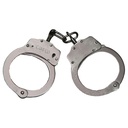
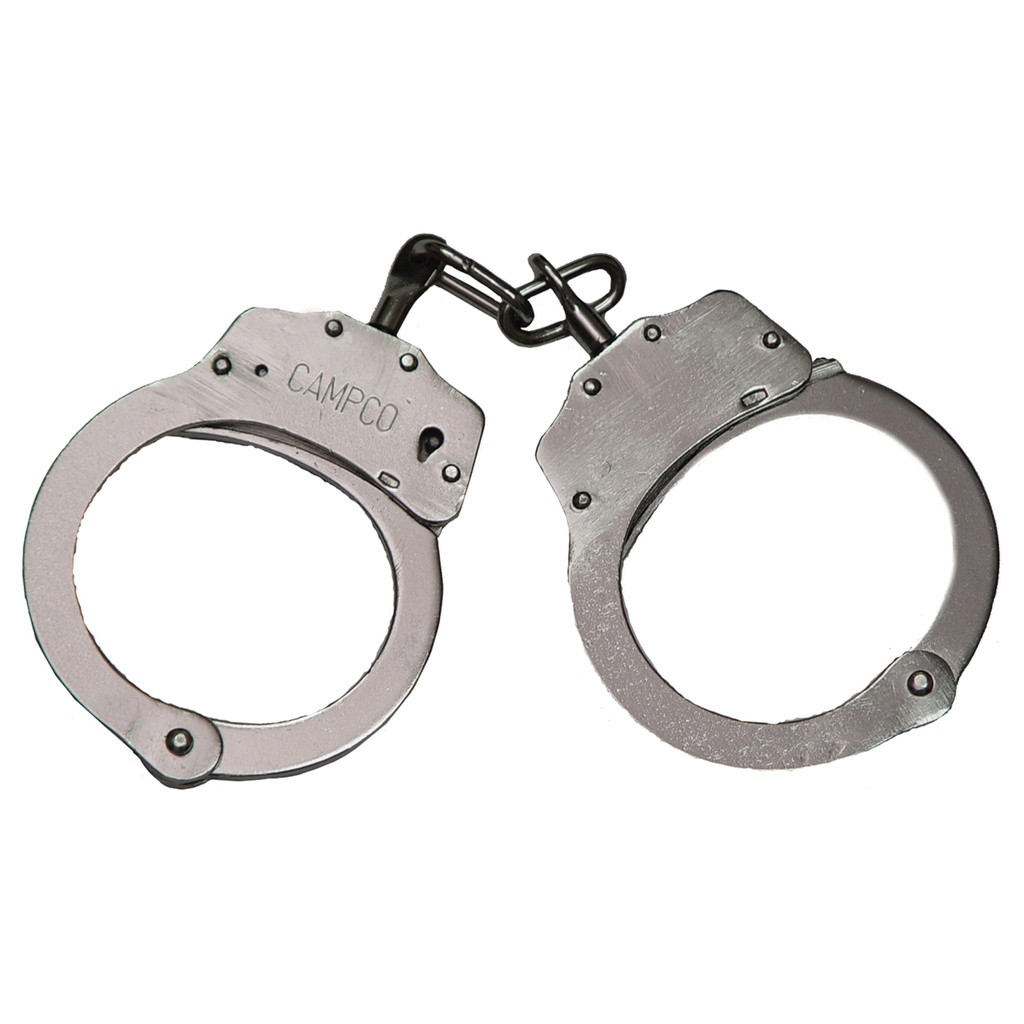
Patrol Grade Control Duty Handcuffs - Nickel Plated
14 sold in last 24 hours
You’re walking a drunk out of a Hill Country dancehall, or moving a combative subject from roadside to unit. These patrol handcuffs close with a clean, deliberate ratchet and lock down with a simple double-lock pin so they don’t over-tighten in the back seat. Nickel-plated steel shrugs off sweat, dust, and hard use, while the welded chain links and standard police key compatibility keep them working smooth across shifts. This is duty gear built for real Texas nights.
Patrol Restraints Built for a Long Texas Shift
The sun’s barely up over the mesquite and you’re already clearing a call on a two-lane road outside town. When hands go behind the back, these patrol-grade handcuffs do what they’re supposed to do: close clean, lock sure, and stay put all the way from ditch to back seat to county intake.
Nickel-plated steel catches the first light, but it’s the feel that matters. The ratchet teeth bite in with a crisp, even pull. The welded chain links don’t twist or chatter under load. You’re not wondering if they’ll hold when a subject decides to buck in the gravel. You already know.
Why These Duty Handcuffs Belong on a Texas Belt
Across Texas, from small-town constables to city patrol, restraints have to deal with heat, sweat, dust, and hurry. These duty handcuffs are nickel-plated steel end to end, built to shrug off sweat-soaked uniforms in August, caliche dust along oilfield lease roads, and the occasional asphalt grind when a cuffed subject goes to the ground.
The chain-link style gives you just enough play to guide a subject into a back seat, onto a bench, or through a narrow doorway in an older courthouse. Welded links carry the load so you’re not babysitting weak points. The profile is classic patrol: low drama, standard duty, familiar in the hand whether you’re working nights in Lubbock or day shift along the Gulf Coast.
From Traffic Stop to Transport: Control Without Drama
Most of the work never makes the news: a bar fight in a Panhandle roadhouse, a family disturbance on a caliche drive outside San Angelo, a warrant pickup at a jobsite in Midland. These patrol handcuffs are built for that kind of steady, unglamorous control. Swing arm comes around smooth, catches, then walks down the wrist with solid clicks you can count without looking.
Once they’re seated where you want them, a quick push on the double-lock pin locks tension in place. That stops the cuffs from ratcheting tighter on the ride from roadside shoulder to county jail. It’s how you balance officer safety with reasonable restraint, especially on longer transports between spread-out Texas counties.
Texas Duty Gear, Texas Restraint Concerns
In this state, deputies, officers, and licensed security are watched closely on how they apply force and restraints. That’s where the double-lock mechanism earns its place. Once engaged, it stops over-tightening, which helps you document that you secured the subject and then protected them from unnecessary injury as you moved them from scene to booking.
Rounded edges on the wrist openings help reduce hot spots on compliant subjects during longer waits on a bench or in a holding area. The chain length gives you options: guiding someone down narrow trailer steps on a rural call, moving them through tight hallways in an older county facility, or loading them into a transport van behind a courthouse in August heat.
Standard Police Key Compatibility Across Texas Departments
On a joint operation with DPS, crossing city limits with a task force, or working security at a packed stadium in Arlington, mixed gear is normal. These patrol handcuffs use a standard police key compatible with major brands, so you aren’t hunting for a specific key when you’re trading custody at a jail sally port or turning someone over after a roadside arrest on the interstate.
Training officers can stock these alongside existing restraints without confusing recruits. In defensive tactics or control classes, the feel in the hand and the keyway behavior both match what’s already on most duty belts. Instructors can focus on technique, not explaining some oddball mechanism.
Chain-Link Restraints That Hold Up to Texas Work
Texas work is hard on metal. Climate swings from humid Gulf air to dry Panhandle wind will find any weak finish fast. The nickel plating on these cuffs gives you a hard, bright surface that resists the sweat and grit that turn lesser gear into rusted paperweights in a cruiser console.
Multiple rivets and solid housings keep the internals aligned, so the ratchet stays true even after getting knocked against a doorframe, scraped across concrete during a ground fight, or dropped on a caliche lot in West Texas. The chain hardware is darker, built to disappear against duty gear while still giving you immediate visual confirmation of weld integrity during a quick pre-shift check.
Questions Texas Buyers Ask About Patrol Handcuffs
Are OTF knives legal to carry in Texas?
Under current Texas law, automatic knives and OTF (out-the-front) knives are legal to own and carry for most adults, with location-based limits similar to other weapons. That means a peace officer running these handcuffs on their belt can also legally carry an OTF knife as part of their duty or off-duty gear, so long as they respect restricted locations like certain schools and secure government facilities. Always check the latest statutes and any department or agency policy, since internal rules can be stricter than state law.
Do these patrol handcuffs match the keys my Texas department already uses?
These restraints are built around a standard police key profile that matches major brands already riding on Texas duty belts. If your jail, transport team, or patrol division uses common chain-link duty cuffs, these will open and lock with the same key design, making handoffs and cross-agency work simpler at busy booking rooms and county lines.
Are these handcuffs suited for Texas security work, not just sworn officers?
Yes. For licensed security working clubs in Austin, gates at industrial yards outside Odessa, or large events in San Antonio, these patrol-grade handcuffs offer the same double-lock protection and chain-link control peace officers rely on. They look professional on a duty belt, operate like standard law-enforcement restraints, and give security personnel an option that aligns with the expectations of local law enforcement they coordinate with.
From County Line Stop to Courthouse Steps
Picture a stop on a dark Farm-to-Market road, a subject finally stepping out slow with hands visible. The conversation ends, compliance starts, and you bring the wrists together behind the back. These nickel-plated cuffs swing, catch, and settle in without fuss. A press on the double-lock pin and you’re walking them back to the unit, watching their hands, not worrying about whether the steel will hold.
By the time you’re climbing the courthouse steps in the heat, the finish is still clean, the chain still solid, the standard key still turning like it did at the start of shift. This is how restraint gear should feel in Texas: dependable, unremarkable, and ready for the next call.