Porchline Guardian Solar Security Light - Black
13 sold in last 24 hours
Out past the streetlights, you rely on your own. This compact solar security light soaks up sun all day, then throws 300 lumens on motion or runs a steady low glow from dusk. Mount it on deck rails, steps, or by the back door. No wiring, just a clean black housing, weather-ready and quiet until something moves.
Porchline Light on a Dark Texas Night
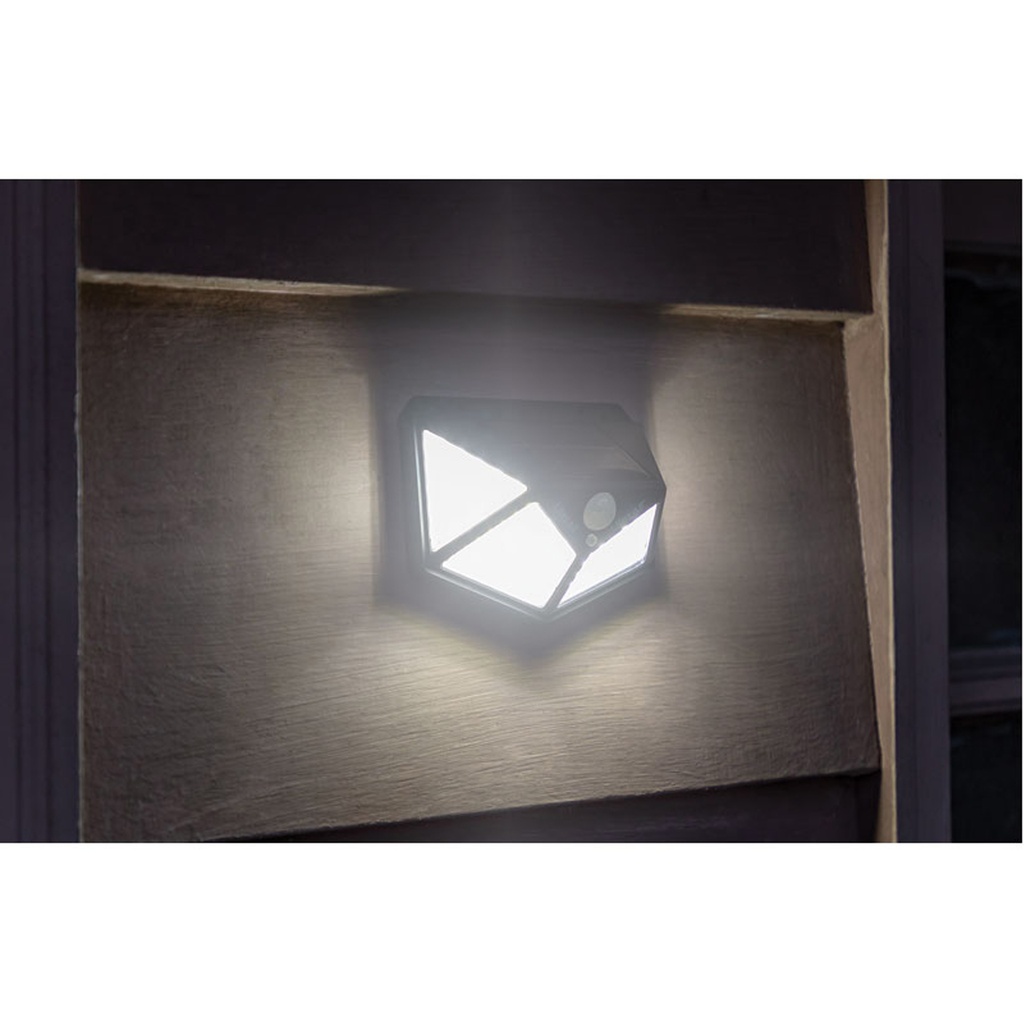
Out past the last city sodium glow, the porch is your line of sight. Dogs perk up, gravel shifts, and you want to see who just turned into the drive without fumbling for a switch. This solar security light mounts clean on siding, fence posts, or deck rails and waits. When something moves, it answers with a tight, cool-white wash that reaches out into the yard.
It charges all day in the same sun that bakes your fence line, then drops into a low, steady glow at dusk or stays dark until motion wakes it. No cords, no trenching, no electrician. Just screws, a drill, and a few minutes on a ladder.
Why This Solar Security Light Works for Texas Homes
Texas weather swings from coastal humidity to Panhandle grit. This compact light was built to stay outside through all of it. The housing sits tight to the wall with a low profile, finished in black that disappears against most trim once night falls. The faceted lens throws light wide enough to cover steps, walkways, or a side gate without blinding you on the back patio.
Water-resistant to an IP55 rating, it shrugs off windblown dust, sideways rain, and sprinkler overspray. The LEDs push up to 300 lumens on motion, enough to light up a back drive in Hill Country or a narrow side yard between townhomes in Dallas. On its continuous low setting, it gives you just enough glow to find the steps after a late game or check the yard without waking the whole house.
Texas Security, No Wiring, No Guesswork
Plenty of Texas houses were never wired for serious exterior lighting, especially around older decks, barns, and detached garages. This solar security light covers those dark corners without tapping the breaker panel. Mount it over a back door where delivery folks drop packages, along the run of deck steps facing the lake, or on the post by the side gate that backs up to an alley.
The motion sensor reaches out about sixteen feet in front of the lens. A truck easing up the drive, a person cutting across the side yard, even a raccoon nosing the trash cans will trip it. You choose how it reacts: high or low brightness on motion, or a constant low beam that kicks on at sunset. Set it once and let it work.
Three Working Modes for Real Texas Routines
Texas nights aren’t all the same. Sometimes you want a dark yard until something moves; other times you like that steady marker light showing the edge of the deck. This solar security light gives you three simple modes to match how you live.
On game nights or when you expect company, use the continuous low-brightness setting. It lines out walkways, steps, and thresholds without glare, useful when friends are parking up and down the street. When you’re more concerned about catching motion than lighting a party, switch to motion-only. Low brightness saves power but still gives a clear view of whoever just came through the gate. High-brightness motion mode throws the full 300 lumens the moment it’s triggered, turning a dark corner into a visible space in an instant.
Built for Texas Exteriors, From Townhouses to Ranch Gates
This isn’t a decorative lantern. It’s a working light that belongs on a fence post in West Texas as much as above a back patio in Houston. The cool white beam cuts through humidity and dust alike, bouncing off gravel, concrete, or weathered wood. Its compact, boxy shape keeps it from catching wind, and the clean lines suit brick, Hardy board, or rough cedar.
On a ranch road, mounted at a gate, it gives you a clean view of a lock and chain after dark. In a tight Austin alley between houses, it turns a narrow walk into a safe passage to the trash cans. On lake-house stairs down to a dock, it shows each step when you come back from a late cast.
Questions Texas Buyers Ask About Solar Security Lights
Are motion-activated solar lights reliable in Texas heat?
Texas summers are hard on anything left outside, but this unit is designed for full sun exposure and regular high temperatures. The solar panel is built into the top housing, meant to sit in direct light all day. The LEDs run cool compared to older bulbs, so they don’t add to the heat. As long as it gets a decent charge during daylight, it will handle regular motion activations at night without issue.
Will this solar security light stay bright after a cloudy Texas day?
Cloud cover happens, especially ahead of a Gulf storm or a Hill Country front. Even on overcast days, the panel will take in enough light to power the low, continuous mode through the night in most cases. If you need full 300-lumen blasts often after a cloudy day, use the motion-only mode and skip the constant glow to keep that stored charge ready for when someone walks by.
How many of these do I need around a typical Texas house?
That depends more on your layout than your square footage. A standard single-story home often feels well covered with one at the front entry, one near the garage or driveway, and one along the back deck or porch. On larger lots or corner properties, adding units at side gates and along longer walkways gives you a clear path and better visibility without over-lighting the whole yard.
First Night You Really Notice It
Picture a late return from a Friday game. The streetlights stop at the corner, and the only sound is your tires on gravel. You cut the engine, open the door, and before your feet hit the drive, the side-yard light wakes up—cool white, clean, showing the path to the back door, the stacked firewood, the gate latch. Steps are clear, porch is visible, no blind corners.
You don’t flip a switch or think about wiring or batteries. The light has been there all day, soaking in sun, quiet and ready. That’s when a simple solar security light earns its keep in Texas: not when you install it, but on the night you realize you can see everything you need to see, and you didn’t have to run a single wire to get there.