Range Sentinel Low-Profile Shooting Ear Muffs - Olive Green
8 sold in last 24 hours
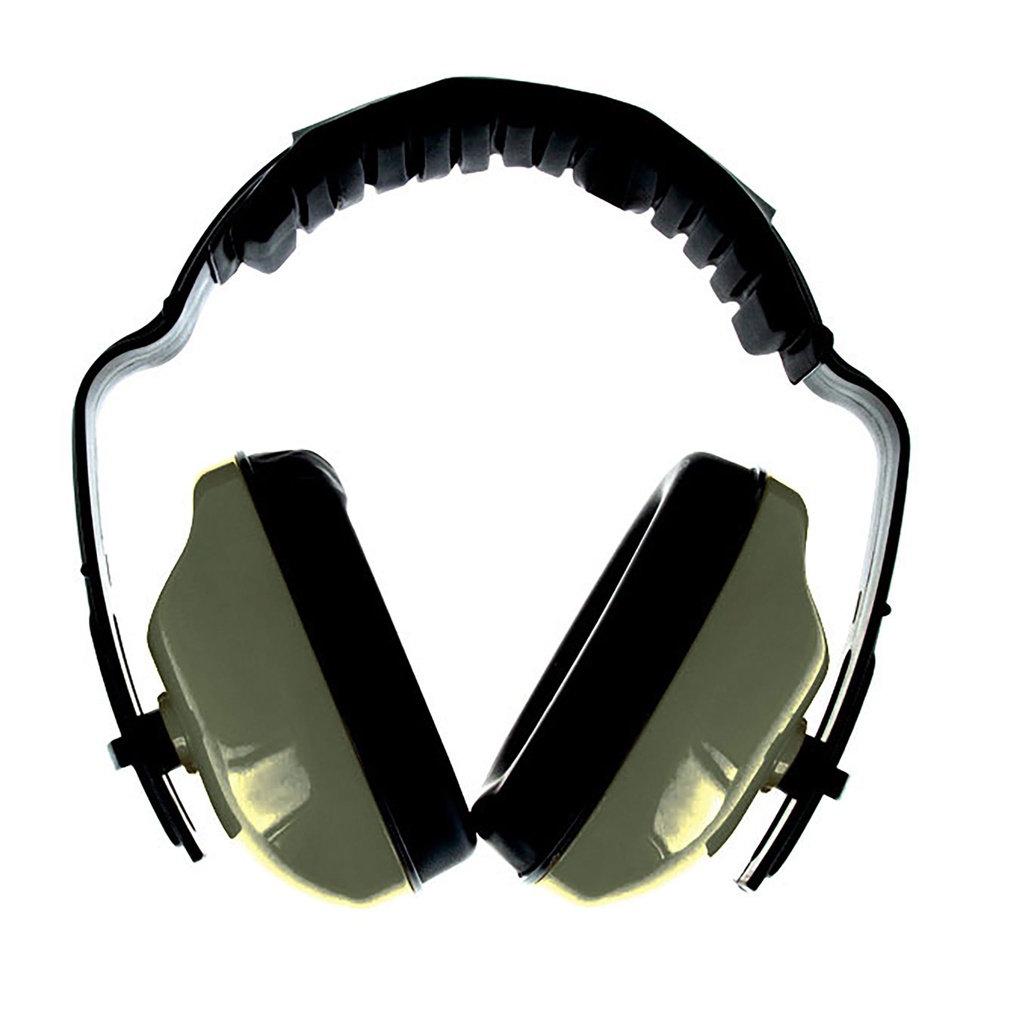
Late afternoon at a Hill Country range, steel ringing down the line, these shooting ear muffs just fade into the background. The low-profile olive cups clear a rifle stock, the padded band sits easy through full drills, and the 20 dB NRR trims the sharp edge off every shot. Indoors in Dallas, out on a Panhandle lease, or running a backyard zero check, they bring enough quiet to keep your focus where it belongs—on the sights, not your ears.
Range Earmuffs Built for Long Days Under a Big Sky
Out on a dusty private range outside Abilene, the rifles run steady. Trucks nose up to the berm, sun pushes through a high haze, and the report off steel carries down the line. These Range Sentinel Low-Profile Shooting Ear Muffs are the kind you put on at first light and forget about until the brass stops rolling.
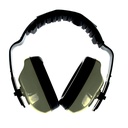
The olive cups don’t shout for attention. They match the rifles, the range bags, the canvas chairs that live in truck beds all year. Over-ear cushions pull a clean seal around your ears, soft enough that the headband doesn’t start to bite halfway through a carbine course. The 20 dB noise reduction rating trims the crack of each round at an indoor pistol bay in Houston or along a West Texas berm into something you can work with—serious, but not punishing.
Why These Shooting Ear Muffs Fit Texas Range Life
Most weekends here run the same: a few hours at an indoor lane in San Antonio, or a half-day on a friend’s pasture range outside Waco. Hearing protection has to pull double duty—quiet enough for hot indoor concrete, comfortable enough for slow rifle work under an open sky.
These shooting ear muffs bridge that gap. The slim, contoured cups don’t crowd a rifle stock or shotgun comb, so you’re not breaking cheek weld every time you settle in behind a .308. That matters on a Panhandle wind day when you’re stretching a shot and can’t afford to fight your gear.
The padded headband runs a clean arch over your cap, segmented so it flexes instead of digging into the top of your head under earmuffs and eye protection. Adjustable sliders move smooth, then stay put. Set them once for your fit and toss them in the truck; next weekend they’re right where you left them.
Texas OTF Knife Shoppers Still Need Solid Range Ear Pro
Walk into a gear shop in Fort Worth for an OTF knife and you’ll see the same crowd that takes hearing protection seriously. Texas shooters who care about the edge on their pocket blade also care about what’s covering their ears inside an indoor range off I-35.
These shooting ear muffs sit in that same gear lane: simple, proven, with the details handled. ANSI and CE-EN352-1 compliance gives indoor range owners in Dallas and Austin something to nod at. They know these muffs meet the standards they post on the wall. For you, it means you’re not gambling with your hearing running drills under low ceilings or in concrete lanes where sound bounces back harder than it left the muzzle.
Back home, the same muffs hang off a hook in the garage. You pull them on when the table saw kicks up, or when a gas trimmer starts carving along a long fence line. The sound profile of a circular saw in a two-car garage isn’t far off an indoor pistol lane. If these can take care of one, they’ll take care of the other.
Comfort and Quiet That Hold Up Across the State
Texas doesn’t do mild seasons. July in Corpus is a wall of humidity, January in Amarillo cuts through denim. Hearing protection has to ride through both without turning into a distraction.
The closed-back over-ear design creates a consistent seal without clamping so hard your jaw starts to ache by the second box of ammo. Soft cushions press in just enough to keep noise leaks down during a busy match in San Angelo while still letting you wear safety glasses without a hard pinch where the temple meets the pads.
That 20 dB NRR won’t turn a crowded Houston indoor range into a library, but it does blunt the worst of the concussion. You can still hear range commands, still catch a buddy calling your impacts on steel at 200 yards, but the harsh edge of every muzzle blast is dulled. It’s the balance that lets you shoot longer without stepping out with a headache or ringing ears.
On the Line: From Pistol Bays to Pasture Berms
In a climate-controlled indoor range off Loop 410, the noise comes from all sides—nine-millimeter pistols, .45 ACP, the occasional AR pistol barking three lanes down. With these muffs on, the chaos turns into a steady background. You hear your own shots, feel the timing between strings, but you’re not flinching every time the neighbor decides to dump a mag.
Drive an hour north to a limestone quarry range and the story shifts. Wind carries sound differently across open ground. Now the olive cups and padded band keep grit, gusts, and echo at bay enough that you can stay on the gun, call hits, and coach a new shooter through their first full magazine without yelling yourself hoarse.
Hearing Protection and Texas Law: What Matters and What Doesn’t
Texas law spends more ink on what you can carry than what you wear for protection, and that includes your ears. There’s no statute telling you what hearing protection you must use at a range in Lubbock or a lease outside Kerrville. Instead, the rules come from common sense and from the range itself.
Most established indoor ranges in Texas require hearing and eye protection on the line. Some have loaners you’d rather not wear. This is where owning a pair like these pays off. ANSI and CE-EN352-1 compliance means they’re built to recognized standards for hearing protection. Range staff see that, and they don’t argue. You step onto the line ready and legal under house rules, without wondering who sweated into those loaner muffs last weekend.
Understanding Noise and Responsibility in Texas Gun Culture
Ask any instructor from El Paso to Beaumont and they’ll tell you the same thing: ringing ears after a long day on the range isn’t a badge of honor; it’s damage. A 20 dB NRR set of muffs like these doesn’t make you invincible, but it does show you’re treating shooting like a craft, not a stunt.
Whether you’re running handgun classes under a carport in Midland or just touching off a few rounds on family land outside College Station, showing up with proper hearing protection sets the tone. It tells the people around you, especially new shooters, that this is something to be done right.
Questions Texas Buyers Ask About Shooting Ear Muffs
Are OTF knives legal to carry in Texas?
Yes. Under current Texas law, OTF knives and other automatic knives are legal to own and carry for most adults, with the main limitations tied to location and blade length. The state distinguishes “location-restricted knives” primarily by blade length over 5.5 inches and restricts those in certain places like schools, polling locations, and some government buildings. Most modern OTF knives fall under the legal limit for everyday carry. As always, check the latest statutes and any local rules before you clip one in your pocket on the way to the range.
Is a 20 dB NRR enough for Texas indoor and outdoor ranges?
For many Texas shooters, a 20 dB noise reduction rating is a solid baseline. At outdoor rifle ranges outside Laredo or San Angelo, these muffs will handle typical centerfire and rimfire work without leaving your ears ringing after a normal session. Indoors—in Houston, Austin, or smaller town lanes with low ceilings—20 dB will take the sting off repeated handgun fire and carbine use, but serious shooters often double up with foam plugs underneath for long sessions or higher calibers. These muffs give you everyday flexibility; adding plugs when you need more protection is an easy step.
How do these muffs compare to electronic hearing protection for Texas use?
Electronic muffs shine when you’re running instruction-heavy classes or team drills, where hearing every spoken word is critical. They also cost more and bring batteries into the equation. These Range Sentinel muffs keep things simple: no switches, no static, just passive 20 dB protection that works the same in a hot deer camp, a dusty pistol bay in Killeen, or an air-conditioned range off the toll road. If you want reliable, low-maintenance hearing protection you can toss in a glovebox or range bag and count on, these fit that role. When you step up to complex classes and competitions, you can decide if electronics are worth adding to the kit.
From Hill Country Ranges to Backyard Projects
Picture a Saturday that starts with a dawn drive toward a rocky range outside New Braunfels. Rifles, pistols, a cooler, targets, these muffs tossed on top of a scuffed range bag. You run drills until the heat comes up and spent brass rolls under boots. Through it all, the olive cups sit easy, the pad on your head never turning into a hot spot, the noise held to a level you can live with.
That afternoon you’re back home, trimming a stubborn hedge along a cedar fence or running a planer in a two-car garage. Same muffs. Same quiet pocket of focus carved out from the noise. This is how Texans use gear—one tool doing its job across a day that never stays in just one lane. These Range Sentinel Adjustable Shooting Ear Muffs are built for that kind of life: honest work, honest sound, no drama.