
Smoke Screen PM2.5 Mask Filter Insert - Activated Carbon
12 sold in last 24 hours
Grass fires out past the city limit, a burn pile smoldering on the next acreage, or a long haul behind a line of trucks on 35 — the air isn’t always clean here. This five-layer PM2.5 mask filter insert adds activated carbon filtration for smoke, dust, and exhaust. It slides into most reusable cloth masks and holds its shape through real use. When the sky turns hazy, you’re not guessing; you’re ready.
When the Air Turns Bad Over Open Country
On a still August evening, a grass fire miles away can drift smoke clear across open pasture. You smell it before you see it. The sky goes from blue to a dull, dirty gray, and every breath feels heavier than it should. That’s when this Smoke Screen PM2.5 mask filter insert earns its keep. It wasn’t built for clean, climate-controlled rooms. It was built for the days the air over open land stops cooperating.
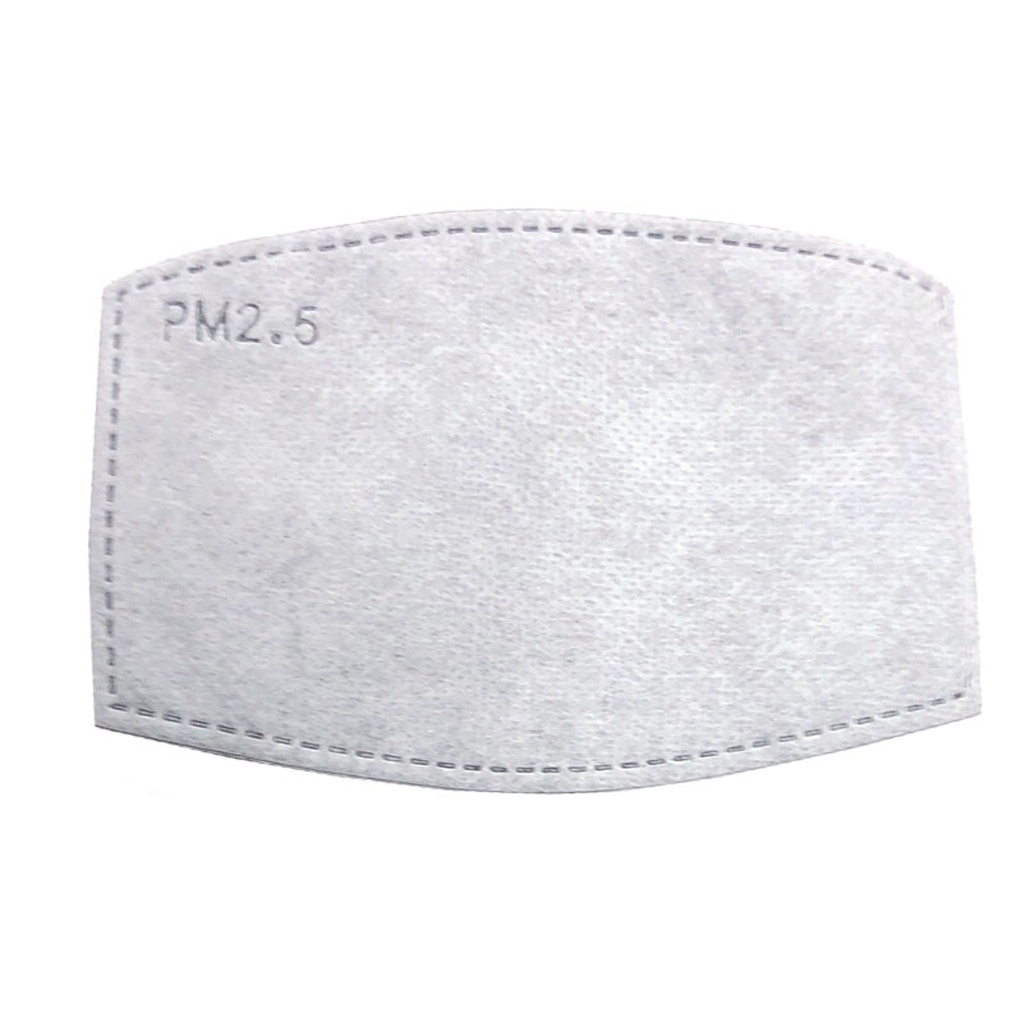
Slide one into a cloth mask you already trust. The thin, curved rectangle sits flat across your nose and mouth, stitched edge holding shape while you move hay, check fence, or sit behind the wheel for hours with the vent pulling in whatever’s on the highway.
Why This Mask Filter Insert Belongs in a Texas Go-Bag
Most folks around here keep a small stash of gear in the truck or hall closet: a light, a blade, a basic med kit. A pack of twenty PM2.5 mask filter inserts fits right into that quiet readiness. When wildfire smoke pushes in from another county, or a controlled burn jumps a line and throws ash over town, you don’t have to run to a pharmacy that’s already sold out. You just open the box, pull a clean insert, and carry on.
Each filter relies on five distinct layers. The first sheet of spunbond cloth grabs the obvious offenders: visible dust, dirt, the fine powder that rides every West Texas wind. Past that, a tighter middle structure tackles smaller particulates, with activated carbon cloth in the heart of the insert catching much of what you can’t see — the byproducts of combustion, chemical-laced haze from old equipment, and the exhaust that hangs over stop-and-go traffic near Houston or Dallas after a wreck.
Five Layers Built for Real Texas Air
There’s marketing talk about protection, and then there’s what a filter actually does when the wind picks up over caliche, or construction kicks off down the street. This PM2.5 insert starts with a spunbond outer layer that intercepts micron-level dust before it can reach your lungs, the kind kicked up by a gravel road after a fast-moving truck. Just behind that, a second layer focuses on finer debris from industrial zones, distant refinery flares, auto exhaust, second-hand smoke from a crowded patio, and spring pollen that blankets cars in yellow.
The center is where the activated carbon lives. That dark cloth doesn’t look like much, but in front of your nose and mouth it helps trap a spectrum of irritants carried on smoke and urban haze. A fourth internal layer tightens the net further, raising filter density so smaller particles — the PM2.5 range that rides deep into your lungs — meet more resistance. The fifth spunbond layer faces you, keeping fibers and captured debris away from your skin while you breathe.
None of that feels bulky. In hand the insert is light and flexible, sized for the standard PM2.5 pocket stitched into many reusable masks. It follows the curve of your face rather than fighting it, so you can talk, drive, or stack lumber without feeling like you’ve strapped on shop gear for a quick errand.
Texas Conditions This PM2.5 Insert Was Made To Handle
Smoke, Dust, and Pollen Across a Big State
This isn’t a single-use city commute filter. It’s a practical layer for a state that sees Panhandle dust storms, Hill Country cedar season, refinery flares near the ship channel, and late-summer burn bans that don’t always stop backyard fires. On a dry, windy day when the horizon disappears in sand, that outer spunbond layer catches the grit. When cedar or oak pollen hit hard enough to coat every truck in the lot, the multi-layer build helps keep those allergens from reaching full depth of breath.
In town, road work and demolition can hang concrete dust over a block for days. If you work nearby, step out to check a job site, or live downwind, these mask filter inserts help take the edge off breathing that cloud all afternoon. They won’t turn bad air into mountain air, but they give your lungs a break while the work gets done.
Everyday Carry for the Truck, Shop, or Range Bag
Because they’re flat and light, ten of these PM2.5 mask filter inserts disappear into a console organizer or small pouch in your range bag. If you’re running drills on a dry berm with every shot kicking up a visible haze, or using chemical cleaners in a closed shop, slipping one of these into a cloth mask can make a long session more tolerable.
In a family kit, the twenty-pack gives enough filters to rotate through several masks during a bad smoke week, without reusing a saturated insert. Used pieces fold and discard; fresh ones slide in and sit flush against the mask pocket, ready in under a minute.
Texas Buyers, Air Quality, and Practical Preparedness
Texas law has had plenty to say over the years about what you can carry on your belt or in your pocket. When it comes to mask filter inserts like this PM2.5 design, there’s no complication. They’re simple air filtration accessories, treated under the law like any other personal protective item. That leaves you free to think about conditions, not regulations: wildfire seasons stretching longer across the Hill Country, more vehicles on every major highway, and construction cranes over smaller towns that never used to see them.
Texans who already keep a Texas OTF knife or a solid folder in the truck tend to treat clean air the same way they treat sharp steel: not something to assume, something to prepare for. A box of these activated carbon face mask filter inserts alongside gloves and first-aid supplies means you’re not depending on a store shelf staying full when half the county smells smoke or wakes up to an air-quality alert.
Questions Texas Buyers Ask About PM2.5 Mask Filter Inserts
Are OTF knives legal to carry in Texas?
People who buy gear like this often ask about blades too. Under current Texas law, automatic knives, including OTF designs, are legal to own and carry for most adults, with restrictions applying mainly to certain locations like schools, courthouses, and secure government facilities. Length limits now apply only to where you take a blade, not whether you can own one. As always, it’s worth checking the most recent state statutes and any local rules before you clip a knife in your pocket.
How often should I change a PM2.5 mask filter insert in tough Texas air?
In light haze or city use, many people swap inserts every day of steady wear. In heavy smoke, dust storms, or around active construction and burn piles, changing more often is smart — once the filter feels damp, dirty, or harder to breathe through, it’s past its best work. With twenty in a pack, you have room to change without hesitation during a bad air week.
Will this PM2.5 insert fit the masks my family already uses?
This filter is shaped for the common PM2.5 pocket sewn into many reusable fabric masks — a curved rectangle, marked "PM2.5" in the corner, roughly matching the typical adult mask interior. It slides in from the side opening and centers itself once you smooth the mask across your face. For smaller faces or kids’ masks, some buyers trim the edge carefully, but for standard adult cloth masks, the insert usually fits without adjustment.
When the Sky Turns Hazy, You’re Ready
Picture a late summer evening outside San Angelo. The sun’s dropping, the wind shifts, and a faint smoke line creeps along the horizon from a pasture burn gone wide. You step out of the truck, slide a PM2.5 insert into the mask you keep in the door pocket, and the first breath through it tells you the difference. The smoke is there, but it doesn’t own your lungs. You walk the fence, check on what you need to check, and drive back with clear enough air behind cloth and carbon. The fire, the dust, the road — they’ll keep doing what they do. With these mask filter inserts in your kit, you’re not caught flat-footed when the air decides to turn.