Smokehouse Butcher Full-Tang Meat Cleaver - Wood Handle
15 sold in last 24 hours
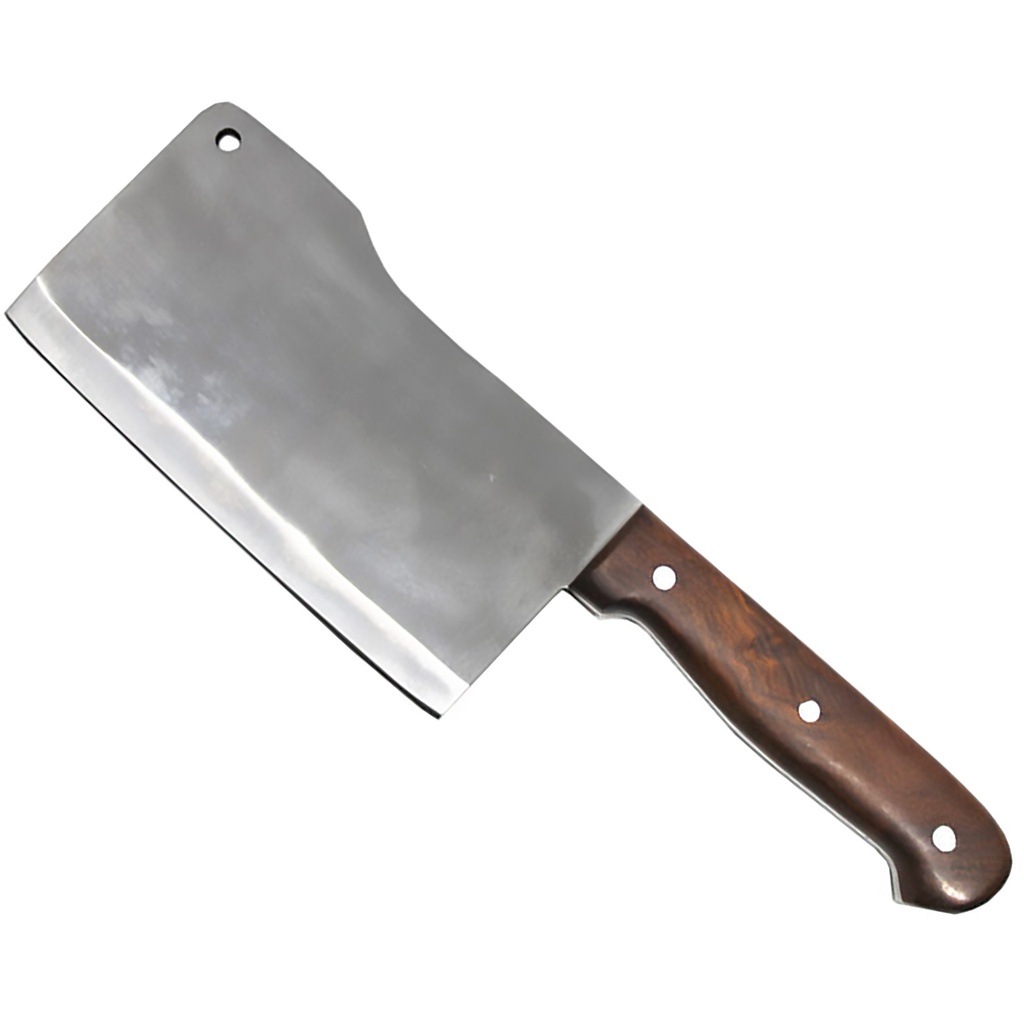
Saturday evening, smoker rolling, board slick with brisket juices. This full-tang meat cleaver goes to work. A 6-inch polished blade takes on ribs, chicken, even a hog shoulder without flex or fuss. The 5-inch wood handle fills the hand, steady and sure when things get messy. Hang it by the blade hole over the prep table, hose it off, and it’s ready for the next cook. This is the cleaver a Texas pit keeps close.
Built for Meat, Not Display
Out behind a cinderblock smokehouse, the pit is running steady. Brisket’s resting in the pan, sausage is sweating on the top rack, and the board on the tailgate needs a tool that can split ribs clean without chipping, flexing, or slipping. That’s where this full-tang meat cleaver earns its keep.
The blade is six inches of polished steel, tall and rectangular with just enough curve at the spine to move through heavy cuts. It’s not dainty, it’s not decorative. It’s the kind of cleaver a Texas pit hand reaches for when the line’s getting long and there’s no time to fight the knife.
Why This Meat Cleaver Belongs in a Texas Kitchen
In a kitchen where beef is bought by the packer and ribs come in full racks, a light chef’s knife only goes so far. This meat cleaver steps in when the work gets heavy: quartering smoked chicken, breaking down pork shoulder, and trimming racks for the pit.
The full-tang build runs the length of the five-inch handle, steel visible all the way around. Three rivets lock the wood scales to the tang, giving you a grip that doesn’t twist when you drop the blade into bone or thick cartilage. On a mesquite cutting block in the Hill Country or a granite counter in Houston, that balance of weight and control matters more than any marketing claim.
Working Details That Matter Behind a Texas Pit
This cleaver’s face is broad, with a polished finish that wipes clean after a long cook. Fat, smoke, and rendered collagen don’t cling the way they do to a rough blade. When you’re sliding through a brisket point or halving racks for a catering tray, a clean release keeps the meat looking like you know what you’re doing.
The hanging hole at the front top corner is there for a reason. Out back of a small-town café, it lives on a nail over the prep table. In a suburban garage that turns into a weekend smokehouse, it hangs by the pit, ready when the foil comes off. No block, no drawer, no fuss—just a big, honest piece of steel where you can see it.
From Backyard Cook to County Fair Competitor
At a county fair cook-off, where you’re trimming brisket at daylight and plating samples after lunch, this cleaver bridges the gap between butcher work and clean presentation. It’ll take the spares down to St. Louis cut, separate the point from the flat, then square edges for turn-in boxes without feeling clumsy in hand.
On a South Texas lease, it shifts from kitchen duty to camp table work, quartering birds or portioning wild hog you dropped that morning. The stout, straight edge keeps the cut predictable when the table is a folding plastic one and the light’s coming from a lantern.
Texas Knife Law Isn’t the Question Here
When Texans ask if a blade is legal, they’re usually talking about carry—belt, pocket, or truck. This meat cleaver is a kitchen and camp tool, not an everyday carry, and that puts it in a different category of concern.
Are OTF knives legal to carry in Texas?
They are. Texas removed the switchblade ban in 2017, and later changes to state law opened the door for carrying most blade types, including OTFs, with length limits only in certain restricted locations. For a kitchen cleaver like this, used at home, at a restaurant, or at a private cook-off, those OTF and carry questions don’t really apply. It lives on your board, wall hook, or knife magnet—well inside the law.
Where This Cleaver Fits in a Texas Knife Setup
Most Texans who care about their blades already own a pocket knife, maybe an OTF riding in the console or clipped in the pocket, and a decent chef’s knife in the kitchen. This cleaver fills the one gap those blades can’t: heavy chopping and portioning when meat is the main event.
A six-inch cleaver like this is short enough to move well on a standard board but tall enough to crack through small joints and separate bone-on cuts without bouncing. On a brisket table in Lockhart or a tiled kitchen in El Paso, it becomes the tool you reach for when your regular knife feels outmatched.
Questions Texas Buyers Ask About OTF Knife Texas and Kitchen Blades
Are OTF knives legal to carry in Texas?
Yes. Under current Texas law, OTF knives and other automatic knives are legal to own and carry across most of the state. The main limits kick in around specific locations—schools, courthouses, some government buildings—where "location-restricted" rules and length limits can apply. Around the house, at the lease, or at most jobs, an OTF knife rides in pocket or console without issue. That said, this meat cleaver stays on kitchen duty; it isn’t something you carry on your person.
Can I keep this meat cleaver in my Texas food truck or backyard kitchen?
You can. For a food truck parked in Austin or a backyard kitchen in Plano, a meat cleaver like this is treated as a kitchen tool. Mounted on a magnetic strip, hanging from a hook over the prep table, or sitting in a simple block, it’s as ordinary as a chef’s knife in the eyes of the law—as long as you’re using it where it belongs, for food prep.
Do I still need a chef’s knife if I buy this cleaver?
Yes. A chef’s knife handles finer work—slicing vegetables, trimming silver skin, portioning fish. This cleaver is for weight and impact: chopping through chicken backs, separating ribs, and portioning smoked meats when you need authority in the cut. In a serious Texas kitchen, they work side by side. Your everyday pocket or OTF knife handles the world outside; the cleaver handles the meat.
Wood Handle, Full Tang, Texas Workload
The wood handle on this cleaver isn’t about nostalgia. It’s about grip. When your hands are slick with rib glaze or brisket fat, the warm, contoured wood gives more feedback than cold metal or cheap plastic. The five-inch length fills the palm without feeling clumsy, letting you choke up for control or slide back for power.
Full tang means the steel runs uninterrupted from blade tip through the butt, visible along the perimeter of the handle. It keeps the balance honest, so you feel the weight of the blade lining up over your knuckles when you drop through a bone or hard joint. In a Panhandle ranch kitchen or a downtown Dallas loft, that predictable feel is what keeps you coming back to the same tool week after week.
First Use on a Texas Board
Picture the first time you put it to work. The smoker lid swings open, a rack of ribs comes off, and you lay it down on the board. The cleaver’s edge finds the line between bones, weight doing most of the work as the blade drops clean. You wipe it on a towel, tap the spine against the board once, then hang it back on its hook beside the pit.
From that day on, it’s part of the rhythm—weekend cooks, holiday briskets, early-morning butchering before the heat sets in. Not fancy, not fragile, just a full-tang meat cleaver that makes sense in a place where meat isn’t a side note.
| Blade Length (inches) | 6 |
| Overall Length (inches) | 1 |
| Blade Color | Silver |
| Blade Finish | Polished |
| Blade Style | Normal Straight |
| Blade Edge | Plain |
| Blade Material | Steel |
| Handle Finish | Glossy |
| Handle Material | Wood |
| Theme | None |
| Handle Length (inches) | 5 |
| Tang Type | Full Tang |
| Pommel/Butt Cap | Exposed tang |