Sunfield Heritage Camp-Duty Hunting Knife - Yellow Bone
12 sold in last 24 hours
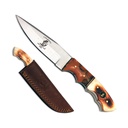
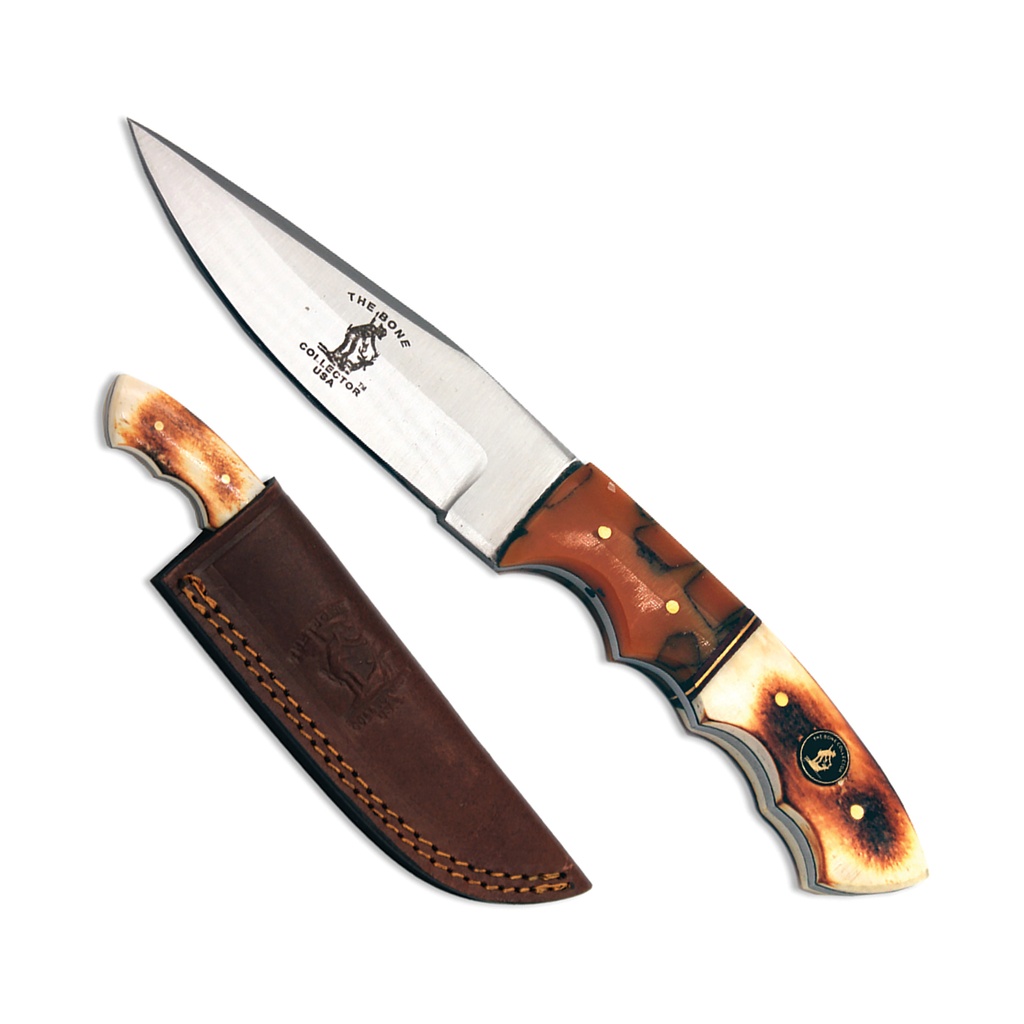
Late in the day, sun dropping behind a mesquite fencerow, this hunting knife feels right at home in your hand. The 4-inch polished clip point opens up whitetail clean and sharp, full tang steady in the palm. Yellow bone scales warm quick, leather sheath riding easy on your belt. It’s the quiet kind of confidence Texas hunters carry: simple, balanced, ready to work every season.
Camp-Duty Steel for Long Seasons in the Texas Sun
On a lease road west of Llano, dust hanging in the air and trucks cooling in the shade, this is the hunting knife that ends up on the tailgate every time. The 4-inch polished clip point slides through whitetail hide like it’s been doing it for decades. Full tang from tip to pommel, it settles into your palm with the same steady feel whether you’re quartering a Hill Country buck or slicing rope at a windmill.
The yellow bone and resin handle isn’t just for looks. Those subtle finger grooves lock in when your hands are cold, wet, or both. Eight ounces of balanced stainless steel means the blade carries enough weight to do the work without wearing you out at the cleaning table. It’s the kind of fixed blade that belongs in a Texas truck door, on a ranch belt, and on the same nail in the barn year after year.
Why This Fixed-Blade Hunting Knife Belongs in Texas Brush
Texas country is hard on tools. Mesquite thorns, cactus, caliche dust—anything cheap shows it fast. This full-tang hunting knife is built for that reality. The stainless steel blade takes a sharp edge and shrugs off sweat, humidity on the coast, and a season’s worth of field dressing without turning into a rust project.
The polished clip point gives you control at the tip for careful work—unzipping a hog, opening a deer along the brisket, or working around joint lines without tearing meat. Four inches is long enough to handle a South Texas boar, but compact enough to work clean on Hill Country axis. At eight inches overall, it carries easy on your hip without banging the seat when you climb in and out of the truck all day.
Carry Culture, Sheath, and Everyday Use Around the Ranch
Texans don’t baby their gear. This knife is made for that rhythm—the leather belt sheath riding on your hip from the first gate to the last feeder. The sheath’s stiff enough to reholster one-handed, even with gloves on, and slim enough to disappear under a denim shirt when you head into town for feed.
That exposed tang at the pommel gives you a solid point to tap or pry when something’s stuck—opening a paint can in the barn, popping a stubborn staple, nudging a nail. The brass pins and round inlay medallion in the yellow bone handle nod toward the kind of knives your granddad carried, but the resin-stabilized scales handle heat, sweat, and the occasional drop in the dirt without splitting or swelling.
Texas Knife Law Confidence with a Fixed-Blade Hunting Knife
Folks here know the law changed. Texans used to ask if they could legally carry their favorite hunting knife in the truck or on their belt. Under current Texas law, this fixed-blade hunting knife sits well inside what the state calls a "location-restricted" knife only if it’s over 5.5 inches in blade length. At around four inches, this blade is under that mark, which gives you far more freedom in how and where you carry it across the state.
That doesn’t mean the rules disappear. Schools, certain public buildings, and posted locations still have their own restrictions, and a hunting knife always belongs on the belt, in the truck, or at camp—not in places where any blade looks out of place. But for normal Texas life—leases, ranches, back forty, farm supply runs, trips from town to pasture—this fixed blade rides well inside what most Texans want from a legal, practical belt knife.
Field Use from Panhandle Windbreaks to Gulf Marsh
Up in the Panhandle, that polished stainless edge holds up when you’re breaking down a deer in a north wind, gloves on, breath fogging, knife staying bright instead of frosting with rust. Down along the Gulf Coast, salt air and humidity test gear fast; the bone and resin handle and polished steel are easier to wipe down and keep clean than carbon blades and unfinished wood.
In East Texas pines, where everything’s damp and slick, those finger grooves on the yellow bone give you bite without tearing your hand up. Out west, where you’re splitting kindling at a campfire outside Fort Davis, the full tang and solid spine handle small batoning and fire prep without feeling fragile.
Built Like an Heirloom, Priced Like a Working Knife
Most Texans know the difference between a safe queen and a working knife. This one is made to work. Stainless steel for the blade, full-tang construction for strength, yellow bone and resin scales pinned tight with brass, leather sheath stitched to ride years on a belt—these are choices a rancher or lease manager recognizes right away.
The polished clip point makes it feel almost too nice to drag through a feral hog, but that’s exactly what it’s for. Wipe it down, hit the edge with a stone, and it’s ready for the next weekend. The handle’s stag-like burn pattern looks like something you’d find in an older uncle’s drawer, but the materials are modern enough to handle Texas heat, sweat, and the occasional dunk in a muddy creek.
Questions Texas Buyers Ask About Fixed-Blade Hunting Knives
Are OTF knives legal to carry in Texas?
Switchblades, OTF knives, and other automatics are legal to own and carry in Texas for most adults, as long as the blade length and location follow state law. Texas now focuses more on length and restricted locations than on how the blade opens. For this fixed-blade hunting knife, you’re dealing with a manual, four-inch blade, which usually offers even fewer headaches than an automatic. Still, every buyer should check the latest Texas statutes and any local rules if they plan to carry in sensitive areas.
Is this fixed-blade hunting knife a good belt carry across Texas?
Yes. At about eight inches overall with a four-inch blade, it carries comfortably on a belt whether you’re in East Texas timber, South Texas brush, or running fences in the Rolling Plains. It’s long enough to be useful on game and camp chores, but short enough that it doesn’t dig into your hip in the truck or catch on seatbelts when you’re in and out all day.
Should I choose this over a folding knife for Texas hunting?
If you spend real time in the field, a full-tang fixed blade like this is the better call. No pivot to gum up with blood and grit, no lock to fail, and it cleans faster at camp. A folding knife works fine for feed bags and fence wire, but when it’s a cold night under a red light and you’re breaking down a deer on the tailgate outside Junction, this is the knife you want in your hand.
First Use: Your Knife on a Texas Tailgate
Picture a clear November night outside a low tin-roofed camp. The stars are loud, the generators quiet, and a buck hangs from the old live oak by the fire ring. You slide this hunting knife from its leather sheath. The yellow bone handle settles into your palm, warm from your hand, the polished clip point catching a bit of lantern light. Hide parts clean, ribs open easy, and the blade tracks where you send it—no fighting, no forcing, just steady steel doing what it was made to do. By the time you rinse it under a trickle from the black hose and slide it back into leather, you know: this is the knife that’ll ride your belt through a lot more seasons in this state.
| Blade Length (inches) | 4 |
| Overall Length (inches) | 8 |
| Weight (oz.) | 8 |
| Blade Color | Silver |
| Blade Finish | Polished |
| Blade Style | Clip Point |
| Blade Edge | Plain |
| Blade Material | Stainless Steel |
| Handle Finish | Glossy |
| Handle Material | Bovine Bone & Resin |
| Theme | None |
| Handle Length (inches) | 4 |
| Tang Type | Full |
| Pommel/Butt Cap | Exposed tang |
| Carry Method | Belt sheath |
| Sheath/Holster | Leather |