Sunrise Lineage Fixed Blade Hunting Knife - Yellow Bone
13 sold in last 24 hours
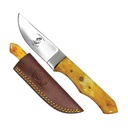
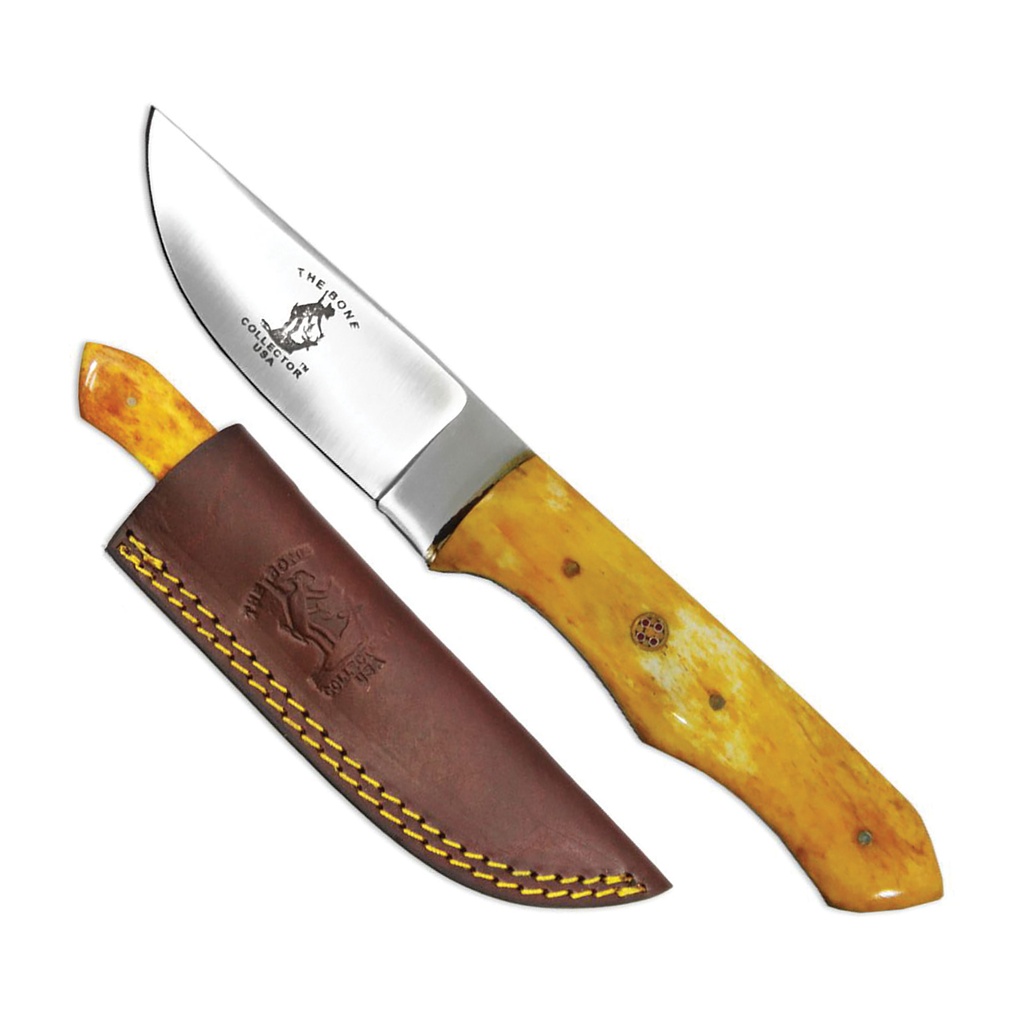
Dawn on a Hill Country lease, fence still wet with dew, this fixed blade hunting knife sits solid on your belt. The 4-inch stainless drop point and full-tang build handle field dressing, small camp chores, and quick rope cuts without drama. Yellow bone scales warm in the hand, leather sheath rides easy all day. This is the knife that feels like it’s been in the family a while, even when it’s brand new.
When a Fixed Blade Hunting Knife Just Belongs in Camp
The first cold front finally pushes through. You’re easing a half-ton down a caliche lease road, windows cracked, mesquite lining both sides. At your hip, this fixed blade hunting knife rides quiet in its leather sheath, same place it’ll sit from first light glassing to last deer quartered. Nothing tactical. Nothing fussy. Just a 4-inch stainless drop point and yellow bone handle that feel like they’ve always been there.
This isn’t a showpiece for a glass case. It’s the fixed blade you reach for when the truck bed’s already bloody, the ice chest’s open, and you’ve got meat to break down before the sun’s gone. Compact, balanced, and honest in the hand.
Why This Fixed Blade Hunting Knife Works for Texas Country
Texas hunting doesn’t care much for pretty on its own. It cares if the edge bites into whitetail hide clean, if the tip finds the seam on a joint, if the handle doesn’t twist when your hands are slick. Here, the 4-inch polished stainless drop point does the work—long enough to open a chest cavity, short enough to stay controlled when you’re working close along a rib cage.
The full-tang construction runs the length of the 8-inch knife, bone pinned tight over steel. That yellow bovine bone isn’t there to impress anyone on Instagram. It’s there because it warms in your hand on a frosty Panhandle morning and still feels steady in August heat when you’re cutting feed sacks or slicing hose out at the tank.
Stainless steel shrugs off the kind of neglect that happens when a long weekend ends and you toss your gear in a corner of the garage. Wipe it down and it’s ready again when the next season rolls around, whether it’s axis in the Hill Country or hogs tearing up a wheat field outside Abilene.
Carry Culture: A Fixed Blade Knife Texans Don’t Mind Wearing All Day
Plenty of hunters in this state still prefer a fixed blade on their belt over any folder in a pocket. This hunting knife earns that spot. The leather sheath rides close and flat, so it doesn’t catch on a blind door, steering wheel, or fence wire when you swing a leg over. Slide it on at the house before daylight, you won’t think about it again until you need it.
The sheath’s yellow stitching and stamped logo don’t scream for attention; they just tell you someone cared enough to finish it right. The retention is snug without fighting you. Thumb the handle, clear the welt, and the blade’s in your hand in one smooth pull—useful when a hog shows up under a feeder and you’ve got to move fast once it’s down.
In the high rack, on a UTV, or walking senderos on foot, this fixed blade hunting knife carries like a tool, not an ornament. It disappears until the work starts.
Reading Texas Knife Laws with a Fixed Blade in Mind
Folks still walk into shops asking if they can legally carry a blade like this in state. The law’s changed over the years, but the current reality is simple: Texas no longer bans traditional switchblades or automatic knives, and fixed blades like this hunting knife are legal to own and carry. What matters most these days is blade length and location.
How Blade Length Fits Texas Rules
This fixed blade runs about 4 inches of cutting edge, well under the 5.5-inch line that Texas uses to define a "location-restricted knife". Under that mark, you’re in standard territory for everyday carry, whether that’s a pocket folder or a compact hunting knife riding on your belt to and from the lease, feed store, or hardware run.
You still have to use common sense. Courthouses, certain government buildings, schools, and some posted private properties can set their own tighter rules. But for the average Texan going from house to truck to pasture with a fixed blade hunting knife like this on their belt, the law isn’t the problem. It comes down to how you carry yourself more than what you carry.
Why a Fixed Blade Hunting Knife Still Makes Sense Here
There’s a reason you still see bone-handled fixed blades hanging from worn leather belts in deer camps from Llano to Laredo. Folders and OTFs have their place, but when it’s time to open up a buck hanging from a live oak or skin a hog under red light, a simple fixed blade like this is the first thing a lot of Texans reach for.
With a full-tang stainless build, this knife won’t fold on you, won’t gum up with dust in the pivot, and won’t need two hands to get into action. One clean draw from the sheath and it’s in the game. That matters when you’re standing in mud behind a barn, dog barking, hog on the ground, and you need to move quick before the heat spoils the work.
Questions Texas Buyers Ask About Fixed Blade Hunting Knives
Are OTF knives legal to carry in Texas?
Yes. Texas used to ban switchblades and many automatic knives, but that changed. Today, OTF knives, autos, and traditional switchblades are legal to own and carry in the state. The real limit is blade length and where you bring it—once a knife passes 5.5 inches, certain locations are off-limits. This fixed blade hunting knife stays under that benchmark, making it a straightforward belt companion for most day-to-day trips tied to ranch work, hunting, and normal errands.
Is this fixed blade hunting knife small enough for everyday ranch or lease carry?
It is. At about 8 inches overall with a 4-inch blade, this knife lives in that sweet spot where it’s big enough to dress a deer, slice open protein bags, cut poly rope, and trim brush, but not so big it prints loud under a shirt or bangs into truck seats. Many Texans run a setup like this: folder in the pocket, fixed blade hunting knife like this on the belt for when the work gets more serious.
How does this compare to bringing a folder or OTF knife to the lease?
Plenty of folks carry an OTF or folder in the front pocket for quick utility cuts. Where a fixed blade hunting knife like this wins is when you shift from light chores to animal work and heavier camp tasks. No moving parts to clog with sand in the South Plains. No springs to worry about in a blind that sits all season. Just bone, steel, and leather doing the jobs hunters here have asked of their knives for generations.
Built Like a Knife That Stays in the Family
Picture this fixed blade on a belt in a box blind outside Brady. Thermos on the floor, binoculars on the sill, first buck of the season quartered before lunch. Same knife rides a different belt a few years down the line, same yellow bone scales, same stainless drop point that’s seen more seasons than the driver of the truck.
This fixed blade hunting knife doesn’t chase trends. It’s quiet, sharp, and willing—equally at home cutting twine at a feed store in Weatherford or opening up a South Texas hog under a mesquite limb. Slip it on before daylight, forget about it until it’s time to earn its keep. That’s the kind of knife Texans end up trusting, and the kind that feels wrong to leave hanging on a nail when the gate swings open and the pasture calls.
| Blade Length (inches) | 4 |
| Overall Length (inches) | 8 |
| Blade Color | Silver |
| Blade Finish | Polished |
| Blade Style | Drop Point |
| Blade Edge | Plain |
| Blade Material | Stainless Steel |
| Handle Finish | Polished |
| Handle Material | Bovine Bone |
| Theme | None |
| Handle Length (inches) | 4 |
| Tang Type | Full Tang |
| Pommel/Butt Cap | Exposed bone |
| Carry Method | Belt Carry |
| Sheath/Holster | Leather Sheath |