
Archive-Grade Ordnance Field Manual Reference Book - Yellow Cover
14 sold in last 24 hours
You’ve seen this yellow cover before, usually on the dash of an old service truck or tucked in a metal footlocker. This ordnance field manual keeps that same blunt Army tone: diagrams, doctrine, incendiary devices laid out with no drama. It’s a straight reprint of a 1966 technical manual, built for readers who want real source material, not commentary.
When a Field Manual Belongs Next to Your Knife
There’s a certain kind of Texas shop truck where everything has a reason to ride along. A well-used OTF in the console. A grease-stained notepad. And, sometimes, a yellow-covered Army manual wedged in the door pocket, pages dog‑eared from actual use, not decoration. This ordnance field manual fits that world. It isn’t written to entertain. It’s written the way the Army wrote in 1966: clear, structured, and unapologetically technical.
If you’re the kind of buyer who wants more than marketing fluff about gear and tactics, this is the primary source. A straight-edged companion to the blades you already carry, giving context to the tools and techniques professionals talked about long before the internet turned it into spectacle.
How a Texas OTF Knife Buyer Uses a Military Ordnance Manual
Most people who search for an OTF knife in Texas are already detail‑driven. They care about deployment, lockup, blade steel, and what the law actually says. That same mindset is what makes this technical manual valuable. Inside the yellow cover, incendiaries and unconventional warfare devices are broken down the way a serious Texas knife dealer would walk you through mechanisms and materials: step by step, no drama, no shortcuts.
The diagrams mirror the diagrams you see for firing systems, holsters, and field tools. The language is clipped and precise. Where today’s content leans on superlatives, this manual leans on procedure. For the Texas buyer who keeps an OTF as part of a broader readiness kit—truck bag, ranch cabin, or duty locker—this book anchors that kit in real doctrine. It reminds you that tools have histories, and that some of the gear culture we take for granted started in manuals like this one.
Texas OTF Knife Context Meets Historic Ordnance Doctrine
Across the state, from oil leases in the Panhandle to deer leases in the Hill Country, people build out rigs the same way: a reliable automatic or OTF knife, a light that won’t quit, and a small shelf or Pelican case of serious reference material. This field-issue ordnance manual earns that space because it reads like a time capsule from a training room at Fort Hood in the late sixties.
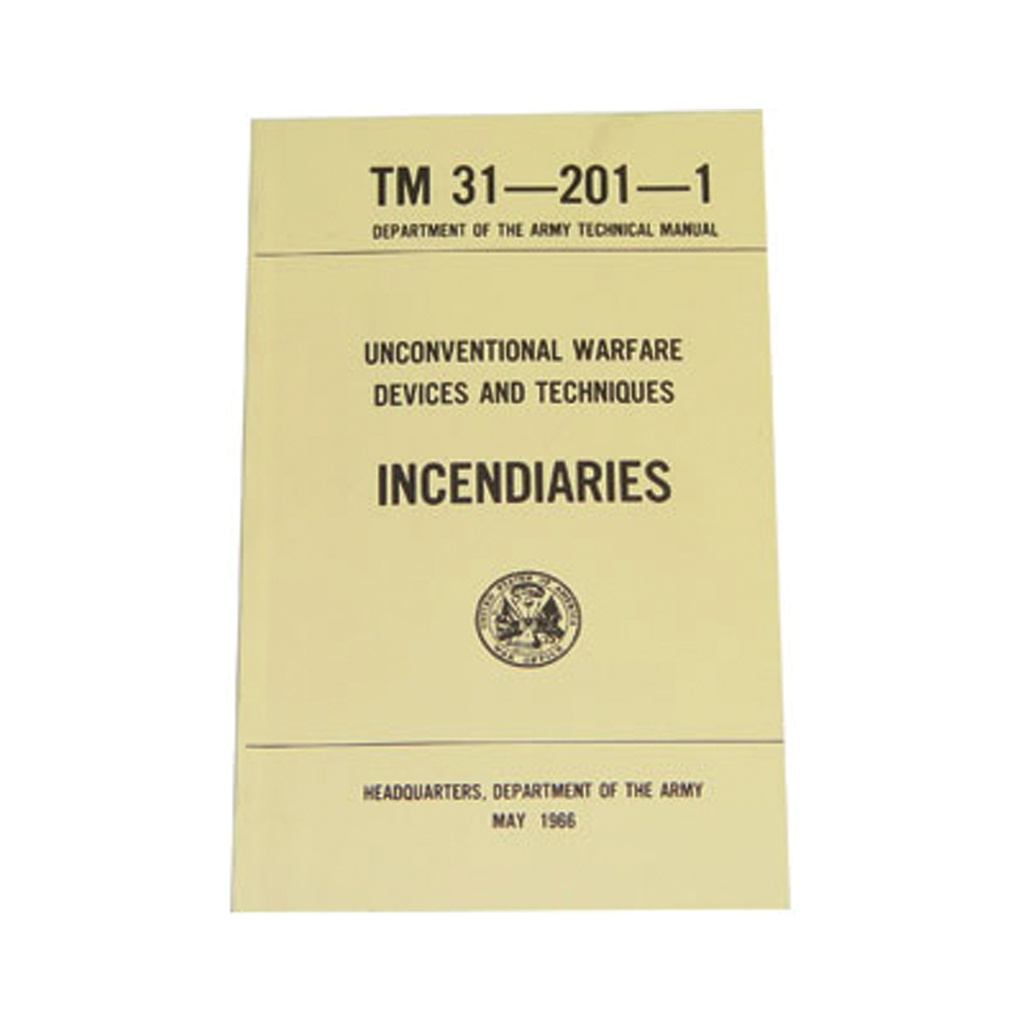
The cover is a pale yellow, soft to the touch but built to be tossed into a bag. The Department of the Army seal sits dead center, with the TM 31‑201‑1 designation printed the way every real technical manual shows it—no branding flourish, just institutional clarity. Inside, you get structured sections on incendiaries and unconventional warfare devices, written for soldiers expected to follow instructions under pressure.
For a Texan who already respects the line between legal ownership and irresponsible use, this manual isn’t a how‑to thrill. It’s context. It gives historians, professionals, and careful collectors a direct look at how ordnance training material was delivered when this country was thinking in terms of doctrine, logistics, and field application—not social media showmanship.
Legal Reality: Texas Knife Laws, Ordnance, and Responsible Ownership
In Texas, the law on OTF knives and switchblades is straightforward today. Restrictions that used to cloud automatic knives were lifted; as long as you’re not a prohibited person and you respect location-based limits and blade length rules where they still apply, an OTF knife can be part of your everyday carry. That legal clarity has helped move Texans from improvised gear to well‑made, purpose‑built automatics.
How This Manual Fits a Texas Legal Mindset
That same seriousness applies to this incendiaries technical manual. It’s a historical Army document, a reprint of a May 1966 field-issue reference. Owning and reading a book like this is about understanding doctrine and history, not about skirting Texas law. For the buyer who already reads statutes before buying a new blade, this book slots into the same habit: know the rules, know the history, act accordingly.
If you’re the one in your circle who quotes actual code when people ask, “Are switchblades legal here now?” this manual will feel familiar—structured, specific, and written for adults trusted to make informed decisions.
Field-Issue Detail for Texas Collectors and Working Pros
On a ranch west of San Antonio, in a fire station south of Dallas, or in a small-town gun and knife shop out off a Farm to Market road, reference books still matter. They sit behind the counter or on a back shelf, pulled down when someone wants the real answer, not a vague opinion. This yellow ordnance manual is built for that kind of shelf.
As a softcover, it lays flat on a workbench next to stripped-down gear. The typography is stark: black sans-serif text, disciplined headings, and clean diagrams that echo the same no‑nonsense style you see in armorers’ guides and armory logs. Nothing in it is dressed up for retail. That’s why it works so well in serious Texas spaces—gun rooms, training offices, and knife counters where people still respect paper documentation.
Texas Use Cases: From Shop Counter to Training Room
A shop owner in Midland might keep it next to a small display of automatic knives, using it to explain how doctrine and field tools evolved. A training officer near Killeen could stack it alongside other reprinted Army manuals to give younger personnel a sense of how earlier generations were taught to think about ordnance. A historian in Houston might file it with unit histories and after‑action reports, mining it for terminology and diagrams.
In all those settings, it’s treated as what it is: a technical, ordnance-focused reference. Not a toy, not a novelty. The same way a good OTF knife is treated on a Texas belt—respected, used when it’s the right tool, and never mistaken for a prop.
Questions Texas Buyers Ask About OTF Knife Texas Manuals and Ordnance References
Are OTF knives legal to carry in Texas?
Today, yes—under Texas law, automatic knives and OTF knives are generally legal to own and carry for most adults. The state rolled back older prohibitions, and modern statutes treat automatics more like any other blade, with attention to blade length categories and sensitive locations. That means a well‑built OTF knife can ride in your pocket, console, or pack across most of the state, provided you’re not carrying into restricted places and you’re not otherwise barred from possessing weapons.
Is this ordnance technical manual legal to own and sell in Texas?
This book is a reprint of a historic Department of the Army technical manual focused on incendiaries and unconventional warfare devices and techniques. As a printed reference, it’s treated as written material—owned by historians, professionals, and collectors across the state. Retailers stock it beside other military field manuals and training references. The responsibility, as always in Texas, rests on the reader: understand the line between historical study and any conduct that would violate state or federal law.
Why would a Texas OTF knife buyer want this manual?
Because the same person who researches steel types, spring tension, and Texas carry statutes tends to want source documents behind the gear. If you’re building a serious kit—whether for ranch work, duty, or personal study—this manual gives you the doctrinal backdrop to a slice of military ordnance history. It pairs naturally with a well‑chosen OTF knife in Texas: both are tools you reach for when you care more about how things really work than how they’re marketed.
From Dash to Desk: Where This Manual Ends Up in Texas
Picture a dry August afternoon, somewhere between Llano and Brady. Your OTF rides clipped in your pocket, dust on your boots, and in the truck there’s a short stack of things you actually trust: a worn map book, a pressure gauge, and this yellow ordnance manual wedged up against the dash. Later that night it might live on a desk in town, next to a cup of black coffee and a notepad, as you work through a section you flagged earlier.
For Texans who build their lives around real tools—steel that earns its place on a belt, reference books that earn their space on a shelf—this field-issue ordnance manual fits right in. Quiet, serious, and unapologetically technical, it’s the paper side of the same mindset that leads you to choose an OTF knife in Texas for what it does, not how it looks.