Highwater Scout Survival Paracord Utility - Blue Camo
12 sold in last 24 hours
First hard rain on a Hill Country campout, creek jumping its banks, tents sagging. This 550 paracord doesn’t blink. The blue camo disappears against water and sky while the seven‑strand core hauls tarps tight, rigs gear, and saves the day. Quiet, tough, 100 feet ready on the tailgate—exactly what a Texas kit is supposed to carry.
Highwater Insurance for Real Texas Camps
Storm rolls in over a Hill Country ridge. The creek that was ankle deep at lunch is pushing hard now, muddy and gray. Tarps start to sag, one tent pole snaps, and the kids are watching you instead of the sky. This is where 100 feet of survivor-grade 550 paracord earns the space it’s taken up in your truck all year.
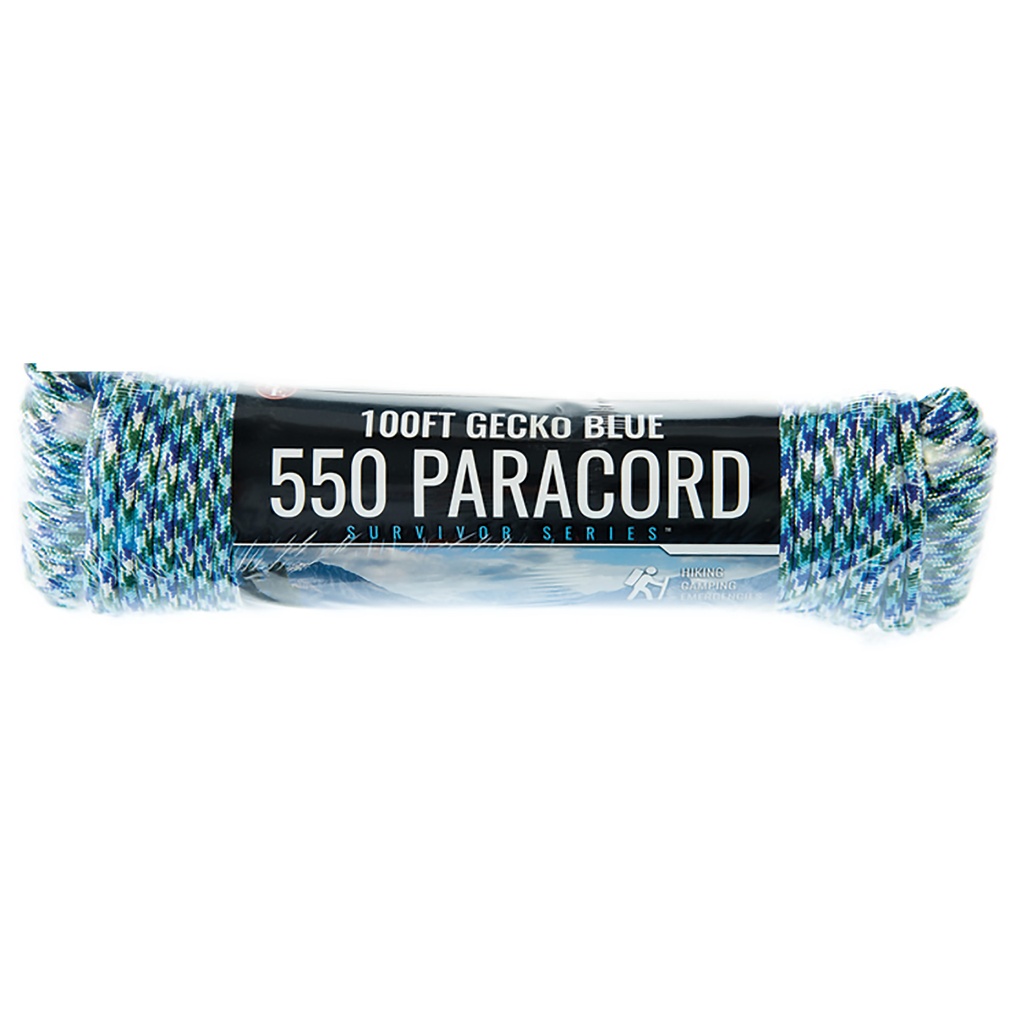
The blue camo of this Gecko Camo Survivor-Grade 550 Paracord fades into water, dusk, and shadow, but the seven-strand core doesn’t give an inch. One line to pull a ridgeline tight. Another to lash a busted pole. A few more strips pulled from the core to fix guy lines. It’s not pretty, it’s just done—and everyone sleeps dry.
Why This 550 Paracord Belongs in a Texas Kit
Across this state, camp looks different depending on where you drop your tailgate. Pines and red dirt around Livingston. Mesquite and rock west of San Antonio. Salt grass and steady wind on the upper coast. The common thread is that when something fails—plastic buckle, rotten rope, cheap cord—you don’t drive back to town. You fix it with what you brought.
This survivor-grade 550 paracord is built for that moment. A full 100 feet of cord rated to 550 pounds gives you enough reach for long tarp runs and bear-bag style food hangs, even if your "bear" is a family of raccoons on the Llano. The tight outer sheath resists fraying on cedar bark and fence wire. Inside, seven dependable core strands slide free when you need smaller line for gear repairs, fishing leaders, or improvised boot laces when a hiking eyelet blows out midway up a Big Bend wash.
Texas Outdoor Reality: Heat, Water, and Rough Edges
Texas doesn’t test gear the way a catalog photo does. It bakes it in August heat on a rock at Pedernales, soaks it in brackish water off Galveston, then drags it over rusty cattle panels outside Luling. This 550 paracord was built with that kind of mixed abuse in mind.
The blue camo sheath shrugs off sun fade longer than bright neon cords that look tired after one river season. The braid stays tight even after repeated knots, hitches, and improvised harnesses for hauling coolers down rock shelves. When it does get wet—lake water, coastal spray, or a surprise Trinity River crossing—it dries without turning mushy or shedding its strength. Tie off kayaks on the Brazos, hang a shade sail in a Rancho backyard, or secure a busted truck bed latch well enough to limp from ranch road to highway. The paracord doesn’t complain; it just holds.
H3: River, Coast, and Lease – Texas Use Cases for 550 Paracord
On a spring Guadalupe float, this 550 paracord runs bow to stern, keeping rental kayaks hitched together when the current gets pushy and someone decides to hop out early. Down on the coast, it becomes a quick clothesline between two posts on a rental house balcony, gear dripping saltwater onto the deck instead of the living room floor.
On a deer lease outside Junction, the same blue camo cord hangs feeders, braces a wobbly blind, and ties an ice chest lid shut to keep camp dogs honest. Cut sections become pull-cords on blind doors and zipper tabs you can grab with cold hands at 5 a.m. The color doesn’t shout across a sendero, but you can still pick it out when you need to untie a knot at last light.
Legal Peace of Mind: No Edge, No Issue
Texas knife laws draw plenty of questions—especially around OTF knives, switchblades, and what’s legal to carry into town from the ranch. This 550 paracord sidesteps all of that. It isn’t a blade, it doesn’t lock, deploy, or cut by itself. It’s cordage, plain and simple, and that keeps you clear of the edge-case worries that come with certain knives in certain places.
Carry a hank of this paracord in your truck console, daypack, or range bag without thinking twice about signage or city ordinances. It’s just survival cord—no different legally than rope, tow strap, or bungee, but a lot more adaptable when you need something smaller, lighter, and easier to knot in a hurry.
Gecko Camo Details That Matter in the Texas Field
The blue camo pattern isn’t for show. Against open sky, water, and shadowed brush, it softens the line of whatever you’re tying down. That matters when you’re rigging tarp shelters near a river campsite that you don’t want standing out like a billboard from across the bend, or when you’re building a semi-permanent camp on family land that you’d rather blend into mesquite and cedar than advertise.
At the same time, the slight contrast of white and green threads in the braid gives you enough visual reference to find your lines in low light. When you’re breaking camp at a Central Texas state park before the sun crests the ridge, you can track guy lines and tie-offs without tripping, cutting, or leaving anything behind. The cord coils clean, rides easy in a pack pocket or door tray, and pays out smooth when you need length in a hurry.
Questions Texas Buyers Ask About 550 Paracord
Are OTF knives legal to carry in Texas?
Yes. Under current Texas law, OTF knives and other automatic knives are legal to own and carry for most adults, with location-based restrictions on location-restricted knives like larger blades in certain places such as schools, courthouses, and some government buildings. Cities can have specific rules for certain locations, so it’s still worth checking local guidance if you’re carrying a larger or more aggressive design into town. This paracord, though, stays clear of all that—no edge, no legal gray area.
How much 550 paracord do I really need for Texas trips?
For most Texas weekends—two nights in a Hill Country park, a bay house trip, or a quick lease run—100 feet is the sweet spot. It’s enough to rig a full tarp shelter, guy out multiple tents, hang a camp light and a clothesline, and still have spare for repairs. If you’re running longer river trips or building more permanent camp structures, two coils give you the freedom to fix problems instead of rationing line.
Will blue camo 550 paracord stand out too much in the Texas brush?
Not in the ways that matter. Against mesquite, cedar, and low evening light, the blue camo reads as shadow more than signal. It breaks up straight lines without vanishing, which is what you want when you need to see your own rigging but don’t care to broadcast camp from half a mile off. On open water, it blends with sky and reflection instead of screaming across the surface.
End of a long day on the Llano, the fire’s down to coals and the wind has picked up. You cinch the last corner of a tarp over the table so the cards and chips don’t blow. That blue camo line disappears into the dark as you tie it off to a live oak, but you feel it lock, solid and sure. Nobody notices the cord. They just notice that camp works. That’s what this survivor-grade 550 paracord is for—quiet, dependable, ready for the next Texas stretch of road.