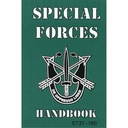
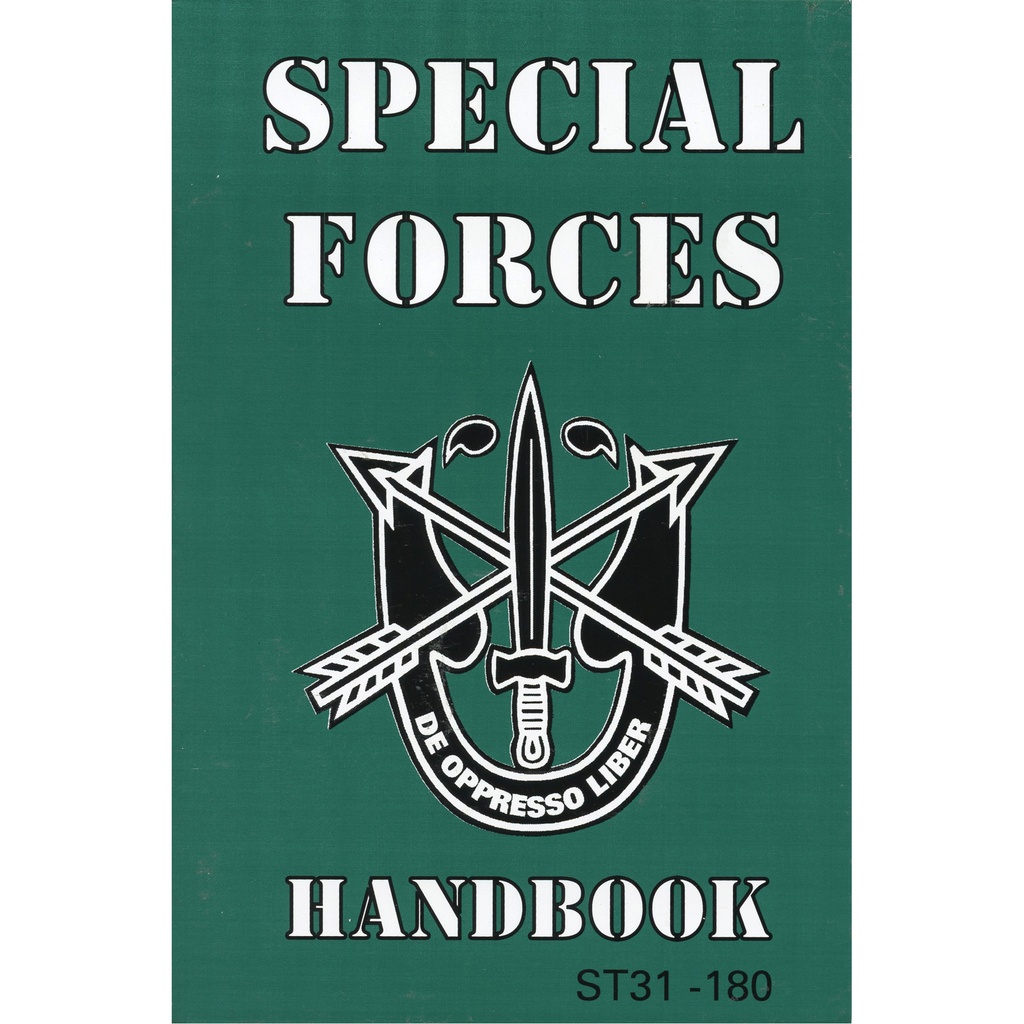
Quiet Operator Special Forces Survival Handbook - Olive Cover
10 sold in last 24 hours
A blue norther rolls over the Llano, and the phone goes dead. The Quiet Operator Special Forces Survival Handbook rides in your pack, olive cover low‑vis against the dust. Inside: field-tested guidance on shelter, water, comms, medicine, and hard decisions. It reads like a seasoned NCO talking soft but clear. Slip this military survival handbook beside your go-to blade and know you’ve got more than guesswork when the plan falls apart.
When the Weather Changes Faster Than the Plan
A cold front can come off the Caprock quick. One hour you’re glassing a sendero, the next you’re watching dark clouds stack over the mesquite and your cell signal die to nothing. That’s when a book like the Quiet Operator Special Forces Survival Handbook – Olive Cover earns the space it takes in your pack.
This isn’t campfire entertainment. It’s built like the field manuals it comes from: plain language, tight layout, and an olive cover that disappears against canvas, MOLLE webbing, or the floorboard of a dusty ranch truck. It’s there when weather, distance, and bad timing pull you farther from help than you planned.
Why a Special Forces Survival Handbook Belongs in a Texas Kit
Texas has a way of testing people who get too confident. Long stretches of West Texas ranch road, busted pipelines in August heat, busted trucks in low-water crossings, long walks out of hog country after midnight—none of that cares how many apps sit on your phone.
This Special Forces survival handbook walks through the parts that actually matter when you’re hung out to dry: how to keep water in your body when the only thing around is stock tanks and muddy draws, how to throw together effective shelter from what’s on hand, how to signal when you’re a long way off any paved road. The tone is quiet and direct, like a seasoned team sergeant passing along what works and stripping out everything that doesn’t.
Instead of theory, you get clear steps. Instead of glossy pictures, you get the kind of instructions you can follow under a red lens in the back of a patrol truck or by headlamp in a Panhandle wind.
Reading Like a Field Manual, Working Like a Mentor
Open the olive cover and the structure feels familiar to anyone who’s handled a military manual. Sections move from survival basics into navigation, communications, first aid, and small-unit style problem solving. It’s not about turning you into Special Forces. It’s about giving a regular person access to the same kind of stripped-down decision-making they use when plans fall apart.
There’s a practical rhythm to it. You’ll see how to break a bad situation down: stop bleeding, protect the airway, keep warmth in, manage shock. How to improvise litters and splints when you’re twenty miles from the nearest paved road and the only straight sticks are cedar and mesquite. How to think about security when you’re stuck overnight near a border fence or deep in public land with a busted axle.
This handbook doesn’t yell tactics. It suggests priorities. In a state where a “quick check of the fence” can turn into six hours in 100‑degree heat, having that kind of mental checklist sitting in your glove box or daypack is worth more than another gadget.
Carrying a Military Survival Guide in Texas Country
The olive cover is no accident. It rides low‑visibility in a ranch bag, range pack, or patrol rig. It doesn’t glare on the dash, doesn’t scream for attention on a campsite table. You pull it when you need it, then slide it back under a map or spare mag.
It’s compact enough to disappear in the door pocket of a high-mileage F‑250, behind the seat of a single-cab work truck, or in a pannier on a Hill Country dual-sport. For those who keep a get‑home bag tucked behind the seats or a small kit in the boat locker down on the coast, this Special Forces survival handbook fits without adding bulk.
On lease roads where you may see more feral hogs than people in a day, or on late drives back from an oilfield service call outside Midland, this book bridges the gap between what you remember from a first-aid class and what you’ll actually need at two in the morning with one bar of signal and a hurt hand.
Texas Concern: Where a Handbook Fits Alongside Knives and Guns
Texans tend to think first in terms of hardware—OTF knives, pistols, rifles. All of that matters. But there’s a reason professional teams add a manual like this to their kit. Skill and judgment sit behind every piece of gear, and this Special Forces survival handbook is one of the lighter, cheaper ways to add both.
In a state where people routinely carry blades and firearms legally, this guide fills in what comes after the shot, the fall, the rollover, or the storm. How do you stabilize a partner with a leg laid open by barbed wire while you wait on a volunteer fire department to find your gate in the dark? How do you handle communications when radios go quiet and the only repeaters are too far off? Those answers live here, set down in black and white, ready to be underlined and dog‑eared.
Questions Texas Buyers Ask About a Special Forces Survival Handbook
Are OTF knives legal to carry in Texas?
Yes. Under current Texas law, automatic knives—including OTF, or out‑the‑front, knives—are legal to own and carry for most adults. The old switchblade ban is gone. There are still location-based restrictions on certain blades in places like schools, polling sites, and secure government buildings, and some cities have their own rules. But for everyday ranch, range, and roadside carry, an OTF knife is legal across most of the state. That’s why so many Texans pair a trusted OTF knife with a compact survival manual like this one—steel in the pocket, knowledge in the pack.
Does this Special Forces survival handbook work for Texas terrain?
It wasn’t written just for pine forests or mountain snow. The survival, comms, and first-aid sections translate cleanly to Texas conditions—heat, distance, sparse cover, and big gaps between help. Whether you’re traveling through South Texas brush, camping along the Frio, or running wind-swept fence lines in the Panhandle, the principles apply. You may still add your own notes on local water sources or seasonal weather, but the backbone of what to do, in what order, is already on the page.
Is a military survival guide worth it if I’m already experienced?
If you’ve spent your life outside, much of what’s inside will feel familiar—but organized. That’s the value. In stress, people forget steps. This handbook gives you a compact reference to hand to a spouse who doesn’t have your miles, a teenage child driving long stretches alone, or a hunting buddy who’s better with a rifle than with medical decisions. For the cost and the space it takes, most Texans who live or work far from quick help see it as cheap insurance.
First Use: A Night on a Remote Lease Road
Picture a gravel track outside Sonora, last light gone, your truck angled off in a dry ditch from a washed-out culvert you didn’t see in time. The front tire’s ruined, your phone is flashing low battery, and the wind is picking up. You fish a small OTF knife from your pocket to cut paracord for a tarp, then reach behind the seat for the olive-covered handbook you tossed in months ago.
Kneeling in the headlights, you flip to shelter and heat, then to signaling. The language is calm and direct. You work down the list. Within twenty minutes you’ve built something that cuts the wind, marked your vehicle in a way another truck can’t miss, and checked yourself for the kind of injuries that sneak up on you later. The night is still long, but now it’s a problem to manage, not a panic.
That’s where this Quiet Operator Special Forces Survival Handbook belongs—beside the blades and tools you already trust, filling in the knowledge that keeps all that hardware from going to waste when the weather turns and the road runs out.