Rhythm-Line Balance Shinai Practice Sword - Natural Bamboo
8 sold in last 24 hours
Late in a Houston warehouse dojo or a strip-mall kendo club in Lubbock, this shinai does the same work: clean swings, clear feedback, and safe contact. Natural bamboo staves, a fitted tsuba, white tip, and leather-wrapped grip keep it balanced and predictable. Built for Texas clubs running hard drills, beginners finding distance, and sparring rounds that go on until the floor’s slick with sweat.
Dojo Steel Without the Steel
In a converted strip mall in Katy, the HVAC hums louder than the traffic outside. Bare feet slap the floor, then the sound you start to chase in kendo: bamboo on bamboo, sharp and hollow. This is where a real shinai earns its keep. Not hanging on a wall, but swinging in rounds that run long after dark.
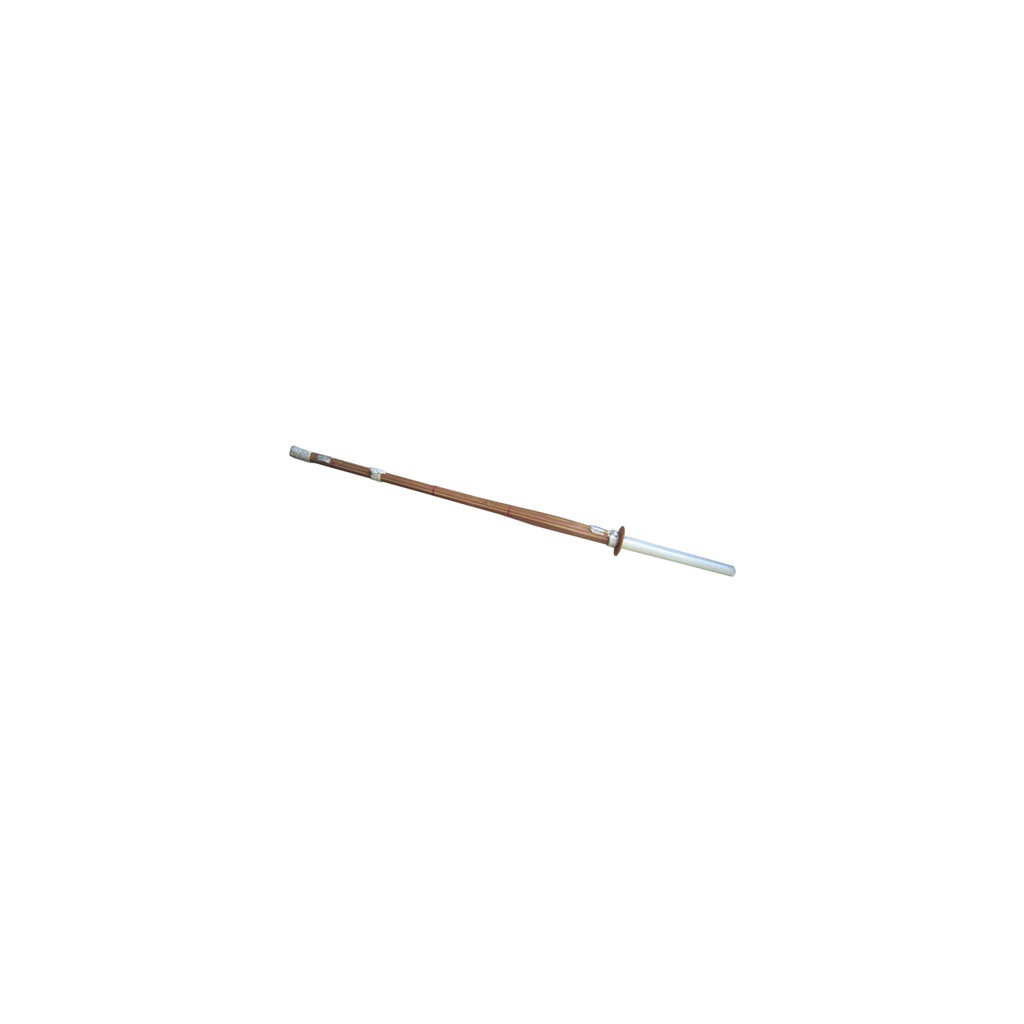
This bamboo practice sword is built for that life. Full dojo length. Four segmented natural bamboo staves bound tight. A round guard where it should be, a leather-wrapped grip that doesn’t spin in a sweaty hand, and a white tip that tracks clean through every cut. It’s not decoration. It’s the training partner you can afford to get scuffed, cracked, and taped up, then put right back into class the next night.
Rhythm and Reach in a Texas Dojo
Walk into a kendo class in Austin, Plano, or down in McAllen and you’ll see the same split: tournament-grade sticks in the senior bags, workhorse shinai on the beginner rack. This one belongs on that rack—and in the hands of anyone serious about reps.
The length gives you true two-handed reach, so distance drills feel honest, not clipped short. Natural bamboo carries the strike through the arc with that familiar hollow snap you hear all the way across a gym. The leather-wrapped handle settles under both palms, so your right hand can drive and your left can steer without constant re-gripping.
The white tip isn’t for show. Under fluorescent dojo lights or in a multi-use rec center where the mats roll out and back up every night, it makes your point clear to partners and instructors. They see where the cut lands, even when class is moving fast and everyone’s masked up.
Built for Daily Kendo Practice, Not Display
Texas dojos and college clubs need equipment that can take being handed from one beginner to the next. This shinai is made for that rotation. The segmented bamboo body is flexible enough to absorb impact across hundreds of strikes in a night, then breathe and dry out between classes. The bindings hold the staves tight so the sword stays true in the swing instead of rattling apart after a few rough sessions.
Because it’s unsharpened bamboo, instructors can push contact drills earlier without risking the kind of injuries a steel blade would bring. Head, kote, and do work become less about fear and more about timing. You get that real hit-and-respond rhythm that makes kendo feel like a fight instead of a choreography lesson.
For a new student in San Antonio buying their first gear, or a club captain in Denton stocking loaner weapons, this practice sword sits in the right middle ground: traditional form, safe contact, no fancy fittings to baby.
Kendo Training Culture Under Texas Skies
Not every practice in this state happens on polished wood. Some clubs meet in school gyms that double as test halls, some in church rec rooms, some under covered pavilions where the south wind pushes dust along the edge of the mats. This shinai doesn’t mind any of it.
The smooth, semi-gloss bamboo wipes clean after outdoor drills, and the simple fittings mean there’s nothing delicate to snag or crack when gear gets tossed back into the trunk beside armor bags and water jugs. The round tsuba keeps your lead hand protected when matches get spirited, but it’s slim enough to slide easily into crowded gear bins.
For kids’ classes in suburban leagues or late-night adult sessions run by a sensei who learned his basics overseas then came home to Texas, this bamboo practice sword hits the line between respect for the art and respect for your budget.
Kendo Weapons, Texas Law, and Where This Shinai Fits
Students and parents ask the same thing at sign-up tables from El Paso to Beaumont: what’s actually legal to own and transport? This is where a bamboo practice sword sits in a comfortable place.
How a Bamboo Shinai Fits in Texas Weapon Laws
Texas law focuses hard rules on firearms and certain defined weapons. A shinai is a non-sharpened bamboo training tool, closer in the eyes of most officers and facilities to sports equipment than to a live blade. It’s what you’d reasonably expect to see carried into a dojo, school gym practice, or martial arts seminar, not into a bar or crowded event with security checkpoints.
Common sense still applies. You bag it, zip it, and move it straight from home to practice, the same way you’d haul a bat, hockey stick, or fencing gear. That’s how instructors across the state have run classes for years without trouble.
Texas Parents, Students, and Club Owners: Practical Concerns
For a parent in Round Rock dropping a teenager at their first kendo class, this natural bamboo shinai answers the biggest worry: they’re not handing their kid a live blade. Impact is audible and firm, but the bamboo gives. Paired with proper armor, it’s designed to deliver feedback, not cuts.
Club owners from Corpus to Amarillo look at cost per round more than anything. A traditional bamboo training sword like this can be bought in sets, used hard, and replaced as needed without breaking a small program’s budget. Tape a split stave, rotate it down to lighter contact drills, then retire it when its work is done.
Questions Texas Buyers Ask About Shinai Practice Swords
Are OTF knives legal to carry in Texas?
Switchblades and OTF-style knives were restricted here for years, but that changed. Texas law has since removed the blanket ban on automatic knives, so adults can legally own and carry them, with the main limits now tied to location and larger blade classes. If you’re training with this bamboo shinai, you’re working with a non-sharpened practice weapon that sits in a much more relaxed category—treated functionally as martial arts gear, not a prohibited knife.
Is a bamboo shinai safe for beginner kendo students in Texas dojos?
Instructors across the state start new students on gear just like this. The segmented natural bamboo flexes on impact instead of transmitting all the force straight through the target. Paired with standard kendo armor—men, kote, do, tare—a club-ready shinai gives loud, clear feedback without the cutting risk of steel. That’s why you see racks of nearly identical practice swords at any serious Texas kendo school.
How many of these should a Texas club or class keep on hand?
A typical small dojo will keep enough bamboo practice swords to outfit all new students and a few extras for visitors—often a dozen or more. Because this shinai is affordable, traditional, and built for daily contact, Texas program leaders can stack a rack with them, assign them to beginners, and still have spares for tournaments, demos, or outdoor practices where personal gear might stay home.
First Contact, Under Fluorescent Lights
Picture a Tuesday night class in a Plano rec center. The basketball goals are folded up, the last pick-up game has cleared out, and a line of students faces the mirror. You slide this natural bamboo shinai out of a bag, feel the leather grip catch in your hands, and step onto the taped line. The first swing lands true, hollow crack echoing in the high ceiling while the instructor nods once and calls for another cut. In that moment, under those Texas lights, this practice sword is doing exactly what it was built to do—turn a bare floor into a dojo and a student into a fighter in training.